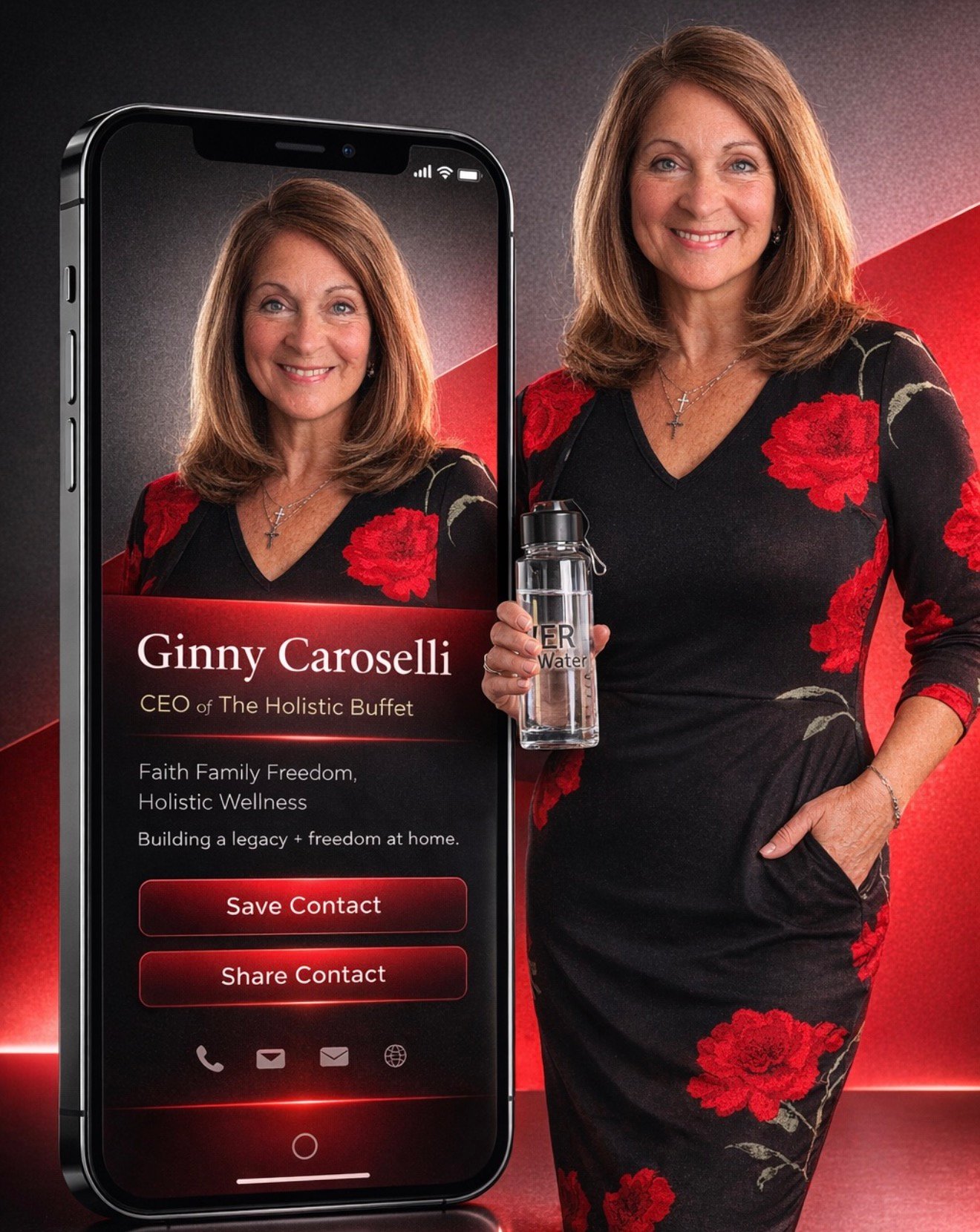
The Holistic Buffet: A Guide to Personal Brand Growth in Wellness
Personal brand growth in holistic wellness involves aligning your brand messaging with your spiritual and physical well-being, creating authentic content, and engaging meaningfully with your audience to build trust and a loyal community.
Quick Navigation
- Understanding Personal Brand Growth from a Holistic Wellness Perspective
- Aligning Your Brand Messaging with Spiritual and Physical Well-Being
- Actionable Steps for Authentic Personal Brand Development
- Building Trust and Engaging Your Wellness Community
- Comparing Traditional and Holistic Personal Branding Approaches
- Sustaining Long-Term Growth Through Intentional and Mindful Branding
- Frequently Asked Questions
Personal brand growth in holistic wellness involves aligning your brand messaging with your spiritual and physical well-being, creating authentic content, and engaging meaningfully with your audience to build trust and a loyal community.
Understanding Personal Brand Growth from a Holistic Wellness Perspective
Personal brand growth refers to the ongoing process of developing and expanding your unique identity and reputation in your field. When viewed through a holistic wellness lens, this growth is not just about visibility or marketing tactics but about aligning your brand with your core values, mission, and authentic self. For wellness entrepreneurs and influencers, this means creating a brand that reflects a balanced approach to health, well-being, and personal integrity.
In the wellness industry, personal brand growth involves more than just promoting products or services. It requires cultivating trust, fostering genuine connections, and demonstrating a commitment to holistic principles such as mindfulness, sustainability, and self-care. This approach helps build a loyal community that resonates with your message and supports your business over the long term.
Focusing on holistic wellness in your personal brand growth also encourages you to nurture your own well-being as you build your brand. This balance helps prevent burnout and ensures that your brand remains authentic and sustainable. Ultimately, personal brand growth from this perspective is about creating a meaningful presence that supports both your professional goals and your personal health.
- Align your brand with your core wellness values and mission
- Build trust through authenticity and consistent messaging
- Engage with your community in meaningful, supportive ways
- Prioritize your own well-being to sustain long-term growth
- Embrace holistic principles like mindfulness and self-care in your branding
Imagine a wellness coach named Maya who initially focused solely on promoting her yoga classes online. Over time, she realized that her audience connected more deeply when she shared her personal journey of overcoming stress through meditation and mindful eating. By aligning her brand with her authentic wellness practices and values, Maya built a community that trusted her not just as a service provider but as a relatable guide. This shift helped her expand her brand organically, showing how personal brand growth flourishes when authenticity and holistic wellness are at the core.
For instance, a nutritionist might share weekly tips on sustainable eating while also posting about their own meal prep routines and challenges. This transparency fosters trust and shows commitment to holistic wellness, making their brand more relatable and credible.
Pro Tip: Consistently reflect on your core values and ensure every piece of content or interaction aligns with them to build a trustworthy and authentic personal brand.
Common Mistake: Many wellness entrepreneurs focus too much on flashy marketing tactics without nurturing their own well-being, which can lead to burnout and a disconnect from their authentic brand identity.
With these foundational insights, let's explore actionable strategies to nurture your personal brand growth within the holistic wellness space.
Aligning Your Brand Messaging with Spiritual and Physical Well-Being
Personal brand growth in the wellness space requires a clear and authentic message that reflects both your spiritual purpose and commitment to a toxin-free lifestyle. When your brand messaging aligns with these values, it resonates more deeply with your audience, fostering trust and meaningful connections. Start by identifying the core beliefs that guide your wellness journey, such as mindfulness, holistic health, or environmental consciousness.
Next, communicate these values consistently across all your platforms. Whether through your website, social media, or in-person interactions, make sure your messaging reflects your dedication to spiritual growth and physical well-being. This consistency helps your audience understand what you stand for and why your approach is unique.
To effectively integrate these elements into your personal brand messaging, consider emphasizing the following points:
- Highlight your commitment to toxin-free products and practices, explaining how they contribute to overall health.
- Share insights or stories about your spiritual journey to create authenticity and relatability.
- Use language that reflects calmness, balance, and intentional living to reinforce your wellness values.
- Incorporate educational content that supports both spiritual and physical well-being, such as meditation tips or clean eating advice.
- Engage with your audience by inviting them to share their own wellness experiences, fostering a community centered on shared values.
Actionable Steps for Authentic Personal Brand Development
Building an authentic personal brand requires intentional effort to align your values, voice, and visuals consistently. Start by identifying and removing any elements in your current branding that don’t genuinely reflect who you are or the message you want to share. This might mean reevaluating your social media posts, website content, or even your professional bio to ensure everything feels true to your wellness journey.
Consistency is key when it comes to personal brand growth. Develop a content plan that reflects your core message and expertise in wellness. This plan should include regular posts, articles, or videos that provide value to your audience while staying aligned with your authentic self. Consistent content helps build trust and recognition, making it easier for people to connect with your brand over time.
Leveraging coaching can be a powerful way to accelerate your personal brand development. A coach can offer personalized guidance, help you clarify your goals, and provide accountability as you work on your brand. Whether it’s improving your storytelling, refining your visual identity, or expanding your network, coaching can support you in staying authentic and focused.
- Audit your current brand assets to remove anything that feels inauthentic.
- Create a content calendar focused on topics that resonate with your wellness values.
- Engage regularly with your audience to build genuine connections.
- Seek feedback from trusted peers or mentors to refine your brand message.
- Consider working with a coach to stay accountable and receive tailored advice.
Imagine a wellness coach named Sarah who initially shared generic fitness tips on her social media. After auditing her content, she realized many posts didn’t reflect her true passion for mindful movement and mental wellness. By removing those posts and focusing on sharing her personal experiences with meditation and gentle yoga, Sarah’s audience began to grow more engaged. This shift allowed her to attract followers who resonated deeply with her authentic message, resulting in meaningful connections and new client inquiries that aligned with her values.
If your wellness brand centers on holistic nutrition, schedule weekly posts sharing simple recipes, nutritional tips, and personal stories about how these foods support your wellbeing. This consistent, focused content helps establish your expertise and authenticity.
Pro Tip: Regularly revisit your brand assets every quarter to ensure they still reflect your evolving wellness journey and values.
Common Mistake: A common misstep is trying to appeal to everyone, which dilutes your message and confuses your audience.
With these foundational steps in place, you’re ready to deepen engagement and expand your personal brand’s reach.
Building Trust and Engaging Your Wellness Community
Establishing trust is fundamental for personal brand growth, especially in the wellness space where authenticity and credibility matter deeply. To build trust, consistently share valuable, accurate information that aligns with your holistic wellness philosophy. Transparency about your journey, challenges, and successes helps your audience connect with you on a personal level, fostering a sense of reliability.
Engagement goes beyond just posting content; it involves creating meaningful interactions. Respond promptly to comments and messages, ask open-ended questions, and encourage your community to share their experiences. This two-way communication nurtures a supportive environment where followers feel heard and valued.
Another effective strategy is to create spaces for your community to interact, such as private groups or forums centered around wellness topics. These platforms enable members to exchange ideas, support each other, and deepen their connection to your brand. Regularly hosting live sessions, workshops, or Q&As can also enhance engagement by providing real-time value and personal interaction.
- Share authentic stories and practical wellness tips consistently.
- Respond to audience interactions to foster a two-way dialogue.
- Create dedicated community spaces for peer support and discussion.
- Host live events or Q&A sessions to provide direct engagement.
- Encourage user-generated content to build a sense of belonging.
Comparing Traditional and Holistic Personal Branding Approaches
Traditional personal branding often focuses on quick wins and visible metrics like follower counts or immediate sales boosts. These conventional methods tend to emphasize polished images, catchy slogans, and short-term marketing tactics that may not fully capture the authentic essence of a person or business. While effective for initial exposure, these approaches can sometimes lead to a disconnect between the brand and its audience over time.
In contrast, holistic personal branding prioritizes sustainable growth through authentic storytelling and genuine connections. This method encourages individuals to integrate their values, passions, and life experiences into their brand narrative, creating a more relatable and trustworthy presence. Rather than chasing rapid results, holistic branding aims to build a foundation that supports long-term engagement and meaningful relationships with the audience.
By comparing these approaches, it becomes clear that holistic personal branding offers a more balanced and enduring strategy. It moves beyond surface-level tactics to foster deeper understanding and loyalty, which are essential for lasting success in wellness and other fields.
- Traditional branding often relies on short-term visibility and quick metrics.
- Holistic branding emphasizes authentic storytelling and value alignment.
- Sustainable growth is a key focus in holistic approaches.
- Holistic methods foster deeper audience connections and trust.
- Traditional tactics may risk disconnecting from the audience over time.
Imagine a wellness coach who initially focused on amassing a large social media following through flashy posts and trending hashtags. While the numbers rose quickly, the engagement felt shallow, and followers often dropped off after initial interest. Shifting to a holistic personal branding approach, the coach began sharing authentic stories about their own wellness journey, challenges, and values. Over time, this transparency fostered a community of loyal clients who resonated deeply with the coach’s message, leading to sustained growth and meaningful connections beyond simple metrics.
Instead of posting only promotional content, a nutritionist might share weekly reflections on their own health challenges and lessons learned, inviting followers to engage in a two-way conversation. This approach nurtures trust and encourages followers to see the nutritionist as a relatable expert rather than just a service provider.
Pro Tip: Focus on weaving your personal values and experiences into your brand story to create genuine connections that last beyond initial impressions.
Common Mistake: Relying solely on follower counts or sales spikes can mask a lack of authentic engagement and may hinder long-term brand loyalty.
Understanding these differences lays the groundwork for adopting strategies that prioritize authenticity and sustainable personal brand growth.
Sustaining Long-Term Growth Through Intentional and Mindful Branding
Maintaining personal brand growth requires a steady focus on authenticity and mindful engagement. Consistently connecting with your audience in genuine ways helps build trust and fosters a supportive community around your wellness brand. This means regularly sharing content that reflects your values and listening to the needs and feedback of your followers.
Tracking growth metrics is essential to understand what resonates with your audience and where adjustments may be needed. Metrics such as engagement rates, follower growth, and website traffic provide insights into your brand’s performance. Use these data points to refine your strategies, ensuring your brand continues to align with both your personal goals and your community’s wellness interests.
Adapting your brand development over time is key to sustaining relevance and impact. As your personal journey and the wellness landscape evolve, so should your messaging and offerings. Being open to change while maintaining your core values allows your brand to grow organically and supports long-term success.
- Engage authentically by responding to comments and messages regularly.
- Monitor key metrics like social media engagement and website visits.
- Adjust content strategies based on audience feedback and data insights.
- Stay true to your wellness values while evolving your brand voice.
- Incorporate community wellness trends thoughtfully into your brand.
Frequently Asked Questions
How can I grow my personal brand authentically?
Focus on aligning your brand with your true values, create consistent and genuine content, engage meaningfully with your audience, and eliminate any inauthentic elements from your messaging.
What are the best strategies for personal brand growth in wellness?
Incorporate holistic wellness principles, leverage coaching and mentorship, use storytelling that reflects your spiritual purpose, and build trust through transparent and toxin-free lifestyle branding.
How does holistic living influence personal branding?
Holistic living encourages integrating physical, spiritual, and emotional well-being into your brand, resulting in authentic messaging that resonates deeply with wellness-focused audiences.
What role does spiritual purpose play in personal brand development?
Spiritual purpose provides a meaningful foundation for your brand story, guiding intentional content creation and fostering deeper connections with your community.
How can I attract the right audience for my wellness brand?
Define your unique holistic wellness mission, communicate it clearly and authentically, engage regularly with your target audience, and build a community around shared values and lifestyle principles.
Featured Resource
The Holistic Buffet
Explore a variety of simple and effective paths that enhance wellness in every aspect of your life.
Next Step
Want help turning this into action? Save this page, compare it to your current brand, and decide what needs to become clearer next.
Follow along with GinnyC for more practical guidance.
Related Resources
Take 60 seconds and scan the focus link for one thing: what they clearly prioritize, and what they ignore.
- Headline test: what promise do they lead with?
- Mechanism test: what do they say “works” (without hype)?
- Proof of focus: do they repeat one message everywhere?
Then come back and compare what you noticed to the framework in the post.