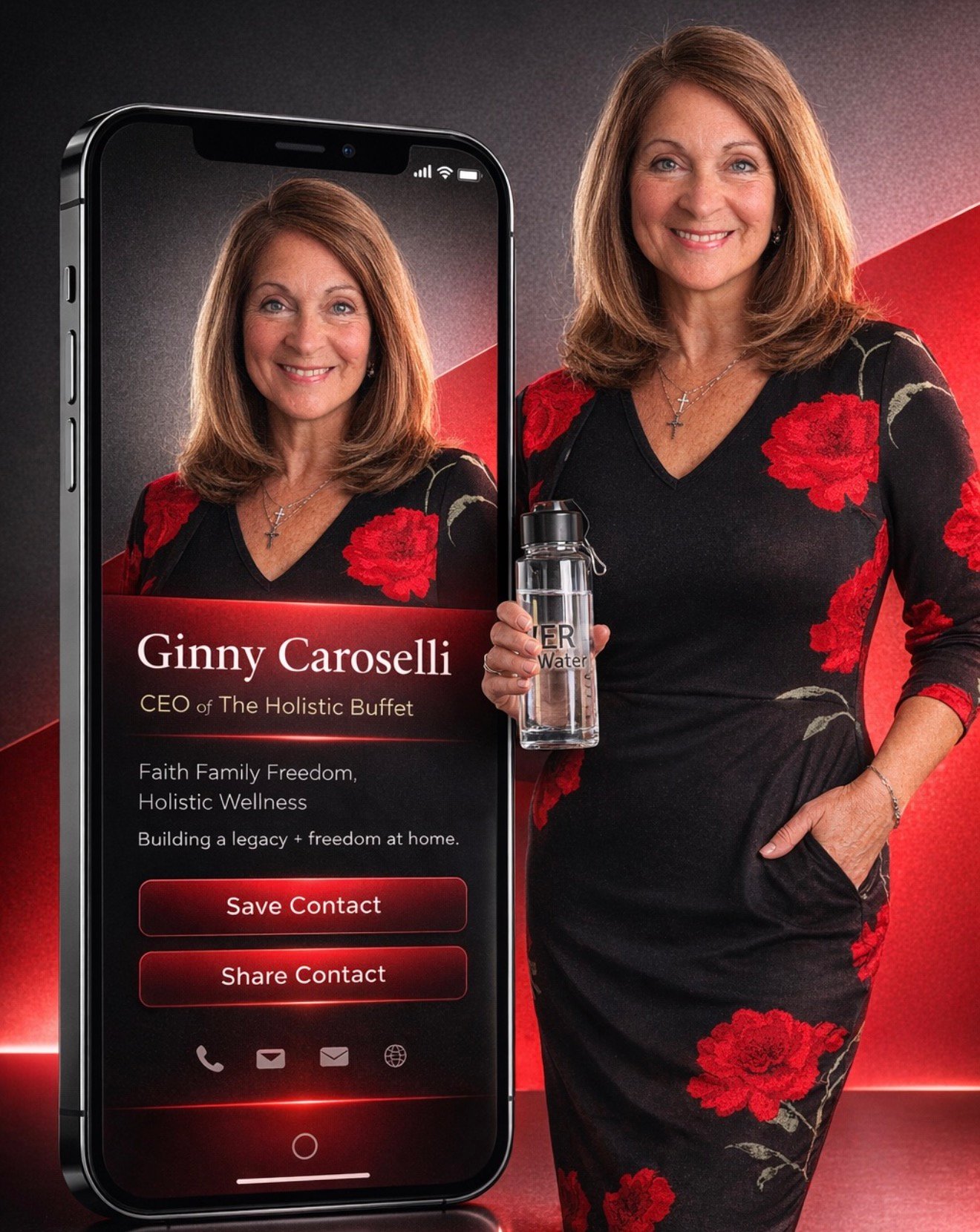
The Holistic Buffet: Authentic Strategies for Personal Brand Growth in Wellness
Grow your personal brand authentically in the wellness industry by embracing holistic values, eliminating toxins from your messaging, and incorporating spiritual purpose. Ginny Caroselli of The Holistic Buffet shares practical coaching tips and a roadmap for intentional, sustainable brand growth.
Quick Navigation
- The Importance of Authenticity in Holistic Personal Brand Growth
- Eliminating Toxins: Physical and Brand Messaging Detox for Wellness
- Integrating Spiritual Purpose and Intentional Living into Your Brand
- Practical Coaching and Mentorship Strategies for Holistic Brand Development
- Aligning Your Brand with Your Divine Calling for Sustainable Growth
- Roadmap Checklist: Steps to Build and Maintain an Authentic Holistic Personal Brand
- Frequently Asked Questions
Grow your personal brand authentically in the wellness industry by embracing holistic values, eliminating toxins from your messaging, and incorporating spiritual purpose. Ginny Caroselli of The Holistic Buffet shares practical coaching tips and a roadmap for intentional, sustainable brand growth.
The Importance of Authenticity in Holistic Personal Brand Growth
In the wellness industry, authenticity is more than just a buzzword—it’s the foundation of personal brand growth. When building a personal brand that reflects holistic wellness values, being genuine helps establish trust and meaningful connections with your audience. People seeking wellness guidance want to engage with someone who truly embodies the principles they promote, making authenticity essential for long-term success.
Authenticity means aligning your brand message, content, and interactions with your true beliefs and practices. This alignment not only differentiates your brand but also creates a consistent and relatable identity. When your audience senses that your brand is sincere and transparent, they are more likely to engage, follow, and support your journey.
For those growing a personal brand in holistic wellness, it’s important to focus on honest storytelling, share real experiences, and avoid overpromising results. This approach fosters a community built on respect and shared values, which is crucial for sustainable growth.
- Build trust by sharing your genuine wellness journey and insights.
- Maintain consistency between your values and the content you create.
- Engage authentically with your audience through transparent communication.
- Avoid exaggeration or unrealistic claims about wellness outcomes.
- Focus on creating meaningful connections rather than quick growth.
Imagine GinnyC, founder of The Holistic Buffet, sharing her early struggles with balancing self-care and professional demands. Instead of presenting a perfect wellness journey, she openly discusses setbacks like burnout and how she adapted her practices. This transparency not only humanizes her brand but also resonates deeply with followers facing similar challenges. By embracing imperfection and honesty, GinnyC builds a community that values real progress over flawless results, which strengthens trust and loyalty over time.
For instance, instead of only posting polished photos of wellness routines, GinnyC might include candid updates about days when her meditation practice was disrupted or when she tried a new approach that didn’t work out. This honest sharing invites followers into a genuine dialogue rather than a curated highlight reel.
Pro Tip: Consistently share behind-the-scenes moments that reveal your authentic process to deepen audience trust. Authenticity thrives in vulnerability and transparency.
Common Mistake: A frequent pitfall is over-polishing your brand image, which can create a disconnect between your message and reality, leading to audience skepticism.
With authenticity as your foundation, the next step is to explore how consistent value-driven content can further enhance your personal brand growth.
Eliminating Toxins: Physical and Brand Messaging Detox for Wellness
Building a personal brand in the wellness space requires more than just sharing helpful tips; it demands authenticity and alignment with natural health principles. One crucial step is eliminating toxins—not only from your physical environment but also from your brand messaging. Physical toxins can include processed foods, harmful chemicals, and environmental pollutants, which contradict the essence of holistic wellness. By visibly committing to a toxin-free lifestyle, you create a foundation of trust with your audience that your advice is rooted in genuine practice.
Similarly, a brand messaging detox involves removing misleading, exaggerated, or overly commercial language that can alienate your audience or undermine your credibility. Clear, honest communication about your values and offerings helps to build a personal brand that feels transparent and approachable. This detox encourages you to focus on messages that support well-being, sustainability, and integrity, which resonate strongly with wellness-minded individuals.
Together, eliminating both physical and messaging toxins helps craft a personal brand that is consistent, trustworthy, and aligned with the holistic wellness community. This approach fosters deeper connections with your audience and sets a strong foundation for personal brand growth.
- Commit to a toxin-free physical lifestyle to embody your wellness message authentically.
- Audit your brand messaging to remove jargon, exaggerations, and unclear claims.
- Focus on transparency and honesty to build trust with your audience.
- Align your communication with natural health principles and sustainability.
- Regularly review both lifestyle and messaging to maintain brand integrity.
Integrating Spiritual Purpose and Intentional Living into Your Brand
Incorporating spirituality and intentional living into your personal brand growth can create a deeper sense of authenticity that resonates with your audience. When your brand reflects your core values and spiritual purpose, it becomes more than just a business—it becomes a meaningful extension of who you are. This alignment encourages trust and fosters genuine connections with those who share similar beliefs or are seeking a more mindful approach.
Intentional living involves making conscious choices that align with your values and goals. By embedding these practices into your brand messaging and daily operations, you demonstrate commitment to a lifestyle that prioritizes well-being, balance, and purpose. This transparency helps your audience see the real person behind the brand, making your message more relatable and impactful.
To effectively integrate spirituality and intentional living into your brand, consider these strategies:
- Clearly define your spiritual values and how they influence your brand mission.
- Share personal stories or experiences that highlight your journey with intentional living.
- Incorporate mindful practices into your content, such as meditation, gratitude, or reflection prompts.
- Engage with your audience through authentic conversations about purpose and wellness.
- Ensure your brand visuals and language reflect calmness, balance, and sincerity.
Imagine GinnyC, the founder of The Holistic Buffet, sharing a moment when she first realized the power of aligning her brand with her spiritual values. She recalls feeling disconnected from her audience until she began openly discussing her morning meditation routine and how it shapes her daily decisions. This vulnerability invited her followers to engage more deeply, sparking conversations about mindfulness and intentional living. By weaving her spiritual journey into her brand narrative, GinnyC transformed The Holistic Buffet from a typical wellness platform into a community centered around shared purpose and authenticity.
For example, The Holistic Buffet includes weekly gratitude prompts in their newsletters, encouraging subscribers to pause and reflect. This simple practice not only reinforces the brand’s commitment to intentional living but also invites the community to participate actively in cultivating mindfulness.
Pro Tip: Regularly revisit and refine your spiritual values to ensure they stay relevant and genuinely reflected in your brand's evolution.
Common Mistake: Avoid using spirituality as a vague marketing buzzword; without genuine integration, it can come across as insincere and alienate your audience.
With these strategies in place, you can begin to see how deeply integrating your spiritual purpose enhances every aspect of your personal brand growth.
Practical Coaching and Mentorship Strategies for Holistic Brand Development
Building a personal brand in the wellness space requires more than just passion; it demands consistent effort and a clear strategy. Coaching provides a structured approach to personal brand growth by helping individuals identify their unique strengths and values. A coach can guide you in clarifying your message, setting realistic goals, and developing actionable steps that align with your authentic self and wellness philosophy.
Mentorship plays a crucial role in sustaining long-term brand development. Working with a mentor who has experience in holistic wellness can offer valuable insights and feedback that help you avoid common pitfalls. Mentors can also introduce you to networks and opportunities that accelerate your growth while keeping your brand true to its core principles.
To make the most of coaching and mentorship, consider these practical strategies:
• Set clear objectives for each coaching session to stay focused on your personal brand goals.
• Seek mentors who embody the values and authenticity you want to reflect in your brand.
• Regularly review and adjust your brand strategy based on feedback and personal growth.
• Use coaching to build skills in communication, social media, and content creation relevant to wellness.
• Embrace accountability by sharing progress updates with your coach or mentor.
- Set clear objectives for coaching sessions
- Choose mentors aligned with your brand values
- Regularly review and adjust your brand strategy
- Develop communication and content skills through coaching
- Maintain accountability with progress updates
Aligning Your Brand with Your Divine Calling for Sustainable Growth
Personal brand growth is most authentic and sustainable when it aligns closely with your spiritual purpose or divine calling. Regularly assessing your brand efforts through this lens helps maintain integrity and ensures that your messaging resonates deeply with your true self and your audience. This alignment creates a solid foundation for long-term growth that feels meaningful rather than forced.
Taking time to reflect on your core values and the deeper reasons behind your wellness mission can guide necessary adjustments in your branding strategy. When your brand reflects your spiritual purpose, it naturally attracts the right community and opportunities that support your journey. This process is not a one-time task but an ongoing practice that evolves as you grow personally and professionally.
To keep your personal brand aligned with your divine calling, consider these practices:
- Schedule regular check-ins to evaluate if your brand messaging still reflects your core spiritual values.
- Seek feedback from trusted peers or mentors who understand your purpose and can provide honest insights.
- Incorporate mindfulness or meditation to connect with your inner guidance before making major branding decisions.
- Be willing to pivot or refine your brand to better express your evolving spiritual journey.
- Document your mission statement and revisit it frequently to stay grounded in your divine calling.
Imagine a wellness coach named Maya who initially built her brand around generic fitness advice. Over time, she felt disconnected and noticed her audience engagement dwindling. After a period of reflection, Maya realized her true passion was helping clients heal emotional trauma through movement, a calling deeply rooted in her own journey. By realigning her brand messaging to focus on emotional wellness and sharing her authentic story, Maya attracted a community that resonated with her mission. This shift not only revitalized her business but also brought a sense of fulfillment, proving that aligning your brand with your divine calling fuels genuine personal brand growth.
GinnyC schedules monthly reflection sessions where she revisits her mission statement and asks herself if her current offerings truly serve her spiritual purpose. During these sessions, she also gathers feedback from a close circle of mentors who help her stay accountable to her core values, ensuring her brand evolves with her growth.
Pro Tip: Regularly journaling about your spiritual values and how they intersect with your brand can reveal subtle misalignments before they grow. This proactive practice keeps your messaging authentic and deeply connected to your purpose.
Common Mistake: Many wellness professionals mistake audience growth for brand alignment, pushing content that appeals broadly but lacks personal meaning, which can lead to burnout and an inauthentic presence.
With these alignment strategies in place, you can confidently navigate the evolving landscape of your personal brand while staying true to your spiritual essence.
Roadmap Checklist: Steps to Build and Maintain an Authentic Holistic Personal Brand
Building a personal brand in the wellness space requires a clear plan and consistent effort. Start by defining your core values and the unique message you want to share. This foundation ensures your brand remains authentic and resonates with your audience over time.
Next, create content that reflects your holistic approach, whether through blogs, social media, or videos. Consistency in your message and visuals helps establish trust and recognition. Engage with your community regularly to foster relationships and gather feedback.
Maintaining your brand means staying true to your mission while adapting to changes in the wellness industry and your personal growth. Regularly review your goals and adjust your strategies to stay relevant and impactful.
- Identify your unique wellness philosophy and core values.
- Develop a consistent content schedule aligned with your brand message.
- Engage authentically with your audience through comments and collaborations.
- Monitor industry trends and incorporate relevant updates thoughtfully.
- Evaluate your brand progress periodically and refine your approach.
Frequently Asked Questions
How can I grow my personal brand authentically in the wellness industry?
Explain the importance of defining unique holistic wellness values, creating genuine content, and engaging authentically with the audience to build trust and authenticity.
What are effective holistic strategies for personal brand growth?
Describe strategies such as integrating physical wellness, spiritual purpose, toxin-free messaging, and coaching to foster comprehensive and sustainable brand development.
How does spirituality influence personal branding?
Discuss how incorporating spiritual purpose creates deeper connections, aligns brand messaging with core values, and enhances brand loyalty.
What role does eliminating toxins play in personal brand messaging?
Highlight the impact of removing references to harmful chemicals and promoting toxin-free living on building credibility and attracting wellness-focused audiences.
How can coaching sessions enhance personal brand development?
Explain how personalized coaching and mentorship provide guidance, accountability, and practical tools to help individuals align their brand with holistic wellness principles.
Featured Resource
The Holistic Buffet
Explore a variety of simple and effective paths that enhance wellness in every aspect of your life.
Next Step
Want help turning this into action? Save this page, compare it to your current brand, and decide what needs to become clearer next.
Follow along with GinnyC for more practical guidance.
Related Resources
Take 60 seconds and scan the focus link for one thing: what they clearly prioritize, and what they ignore.
- Headline test: what promise do they lead with?
- Mechanism test: what do they say “works” (without hype)?
- Proof of focus: do they repeat one message everywhere?
Then come back and compare what you noticed to the framework in the post.