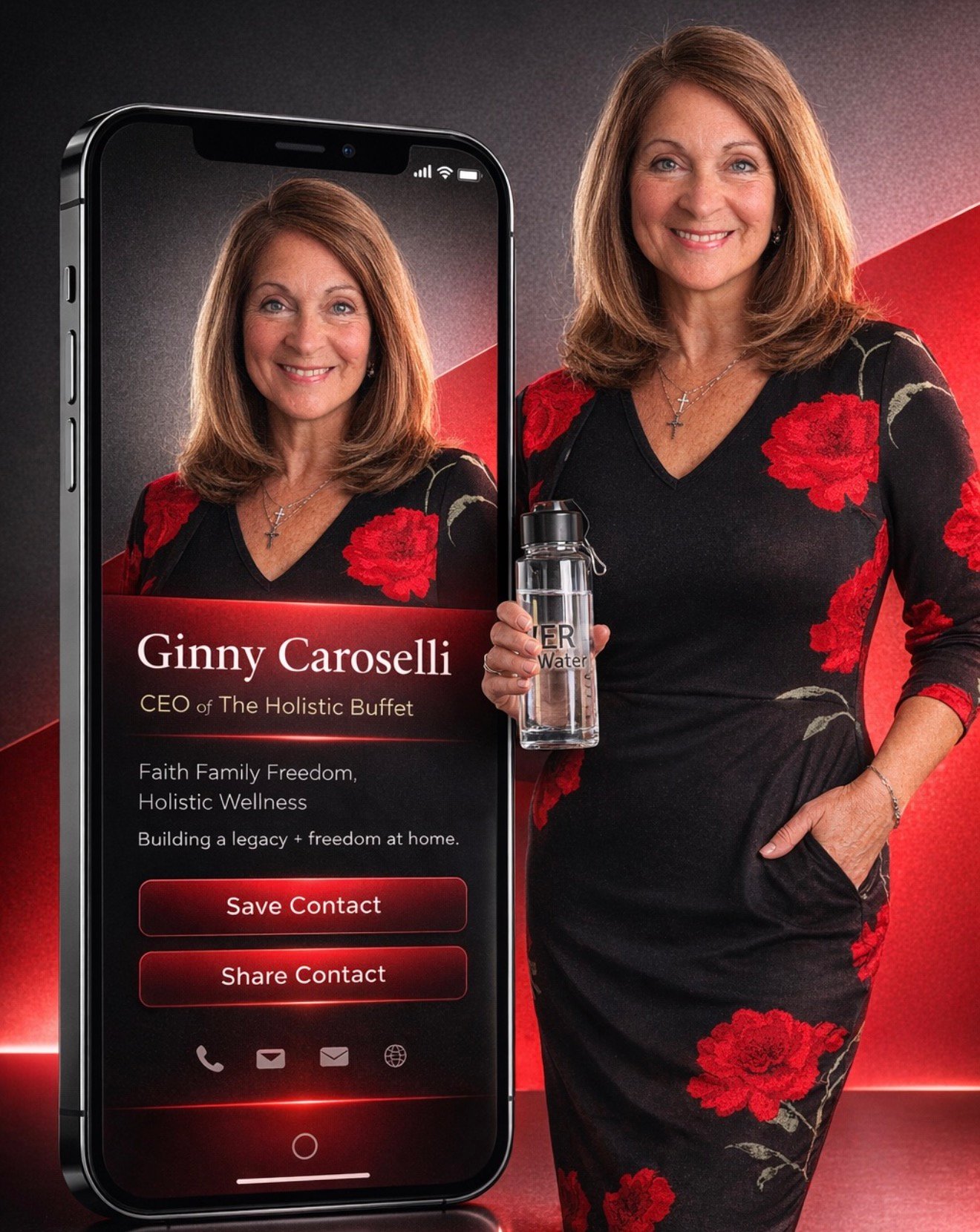
The Holistic Buffet: A Comprehensive Guide to Personal Brand Growth in Wellness
Grow your personal brand authentically by integrating holistic wellness values, eliminating toxins, and embracing your spiritual purpose. This guide offers practical steps, storytelling techniques, and mentorship insights to help you build trust and meaningful connections in the wellness community.
Quick Navigation
- Understanding Holistic Personal Branding in Wellness
- The Role of Spiritual Purpose in Personal Brand Growth
- Eliminating Toxins: A Core Principle for Authentic Brand Messaging
- Crafting Your Holistic Brand Story: Techniques and Examples
- Checklist for Authentic Personal Brand Growth in Wellness
- Comparing Traditional Branding and Holistic Personal Branding
- Leveraging Coaching and Mentorship for Sustainable Brand Development
- Building Trust and Meaningful Connections in the Wellness Community
- Common Pitfalls in Personal Brand Growth and How to Avoid Them
- Next Steps: Resources and Strategies for Ongoing Personal Brand Growth
- Frequently Asked Questions
Grow your personal brand authentically by integrating holistic wellness values, eliminating toxins, and embracing your spiritual purpose. This guide offers practical steps, storytelling techniques, and mentorship insights to help you build trust and meaningful connections in the wellness community.
Understanding Holistic Personal Branding in Wellness
Holistic personal branding in the wellness industry involves creating a cohesive and authentic representation of yourself that reflects your values, lifestyle, and expertise. Unlike traditional branding, which often focuses solely on marketing tactics, holistic branding integrates your entire being—mind, body, and spirit—into how you present yourself to the world. This approach helps build trust and meaningful connections with your audience.
In wellness, authenticity is especially important because people seek guidance and inspiration that align with natural and balanced living. Your personal brand should therefore emphasize your genuine commitment to wellness principles, such as mindfulness, sustainability, and self-care. When your brand aligns with these values, it resonates more deeply with others who share similar goals.
By embracing holistic personal branding, you create a foundation for long-term personal brand growth. It encourages consistency across all your communications and interactions, making your message clear and reliable. This alignment not only attracts the right audience but also supports your own well-being, as your brand reflects who you truly are.
- Focus on authenticity and genuine representation
- Align your brand with natural lifestyle and wellness values
- Integrate mind, body, and spirit into your personal brand
- Build trust through consistent and honest communication
- Create meaningful connections with a like-minded audience
Imagine a wellness coach named Mia who started by sharing only her certifications and client successes online. Over time, she realized that her audience responded more deeply when she shared her personal journey with mindfulness and sustainable living. By opening up about her daily meditation practice and eco-friendly habits, Mia’s brand became more relatable and authentic. This shift not only attracted clients who valued holistic wellness but also helped her stay true to her own values, creating a sustainable and fulfilling career.
Say you’re a yoga instructor who emphasizes sustainability. Instead of just promoting your classes, share tips on eco-friendly yoga gear or your routine for reducing waste. This helps your audience see how your brand embodies the values you teach, fostering deeper trust and engagement.
Pro Tip: Regularly revisit your core values and ensure every piece of content or interaction reflects them authentically to maintain a consistent and trustworthy brand presence.
Common Mistake: Many wellness professionals focus too much on polished marketing tactics, neglecting the personal stories and values that truly connect with their audience.
With a clear understanding of holistic personal branding, let’s explore how to practically implement these principles for sustained personal brand growth.
The Role of Spiritual Purpose in Personal Brand Growth
Integrating spiritual purpose into your personal brand growth is essential for creating authenticity and meaningful connections. When your brand reflects your core beliefs and values, it resonates more deeply with audiences who are seeking genuine holistic wellness experiences.
Spiritual purpose acts as a guiding compass, helping you stay aligned with your mission and message. This alignment not only builds trust but also differentiates your brand in a crowded wellness market. Audiences are more likely to engage with a brand that feels sincere and purposeful.
By sharing your spiritual journey or the principles that inspire your work, you invite your audience to connect on a more personal level. This connection fosters loyalty and encourages ongoing engagement, which are key components of sustained personal brand growth.
- Clarify your spiritual values to ensure consistent messaging.
- Use storytelling to share your spiritual purpose authentically.
- Engage with your audience through mindful and meaningful content.
- Align your brand offerings with your spiritual mission.
- Create spaces for community interaction centered on shared values.
Eliminating Toxins: A Core Principle for Authentic Brand Messaging
In the wellness industry, authenticity is crucial for building trust and a loyal audience. One of the most effective ways to convey genuine care and commitment is through promoting a toxin-free lifestyle. Eliminating toxins not only reflects a brand’s dedication to health but also aligns with consumers who prioritize clean, natural living.
For brands like The Holistic Buffet, emphasizing toxin-free living serves as a clear differentiator. It signals to potential clients that the brand values transparency and integrity, setting it apart from competitors who may overlook the importance of clean ingredients or sustainable practices.
Incorporating toxin elimination into your personal brand growth strategy means more than just marketing—it requires consistent actions and messaging that reinforce this principle. This authenticity helps create deeper connections with your audience and builds a foundation for long-term brand loyalty.
- Highlight the use of natural, non-toxic ingredients in your products or services.
- Educate your audience on the benefits of toxin-free living through content and workshops.
- Showcase your commitment to sustainability and ethical sourcing.
- Be transparent about your brand’s processes and ingredient choices.
- Encourage feedback and engage with your community on health and wellness topics.
Imagine a wellness coach who decided to share her personal journey of switching to toxin-free skincare after struggling with skin irritation for years. By openly discussing her challenges and the positive changes she experienced, she built a relatable and trustworthy image that resonated deeply with her audience. This transparency not only highlighted her commitment to authenticity but also encouraged her followers to explore toxin-free options themselves, fostering a community centered around genuine care and shared values.
The Holistic Buffet could host monthly live Q&A sessions where GinnyC discusses the sourcing of natural ingredients, answers questions about product formulations, and explains how eliminating toxins benefits overall wellness, making the brand’s dedication tangible and interactive.
Pro Tip: Consistently share behind-the-scenes insights into your ingredient sourcing to build trust and demonstrate your commitment to toxin-free living.
Common Mistake: Many brands claim to be toxin-free but fail to provide clear evidence or transparency, which can lead to skepticism and erode audience trust.
By embedding toxin elimination authentically into your brand story, you pave the way for meaningful engagement and lasting loyalty.
Crafting Your Holistic Brand Story: Techniques and Examples
Building a personal brand in the wellness space means sharing a story that resonates deeply with your audience. Start by reflecting on your own journey—consider the experiences, values, and beliefs that led you to embrace a natural and spiritual lifestyle. Authenticity is key; your story should feel genuine and relatable, helping potential clients connect with you beyond just services or products.
When crafting your narrative, focus on themes that highlight growth, healing, and balance. These themes align well with wellness and can create emotional connections. For example, you might share how adopting mindfulness practices transformed your daily routine or how a connection to nature inspired your approach to health. These elements not only tell your story but also showcase your unique perspective.
To make your story more engaging, use simple storytelling techniques such as setting the scene, describing challenges, and illustrating the transformation. Incorporate sensory details and emotions to bring your narrative to life. Remember to keep the language accessible and avoid jargon, which helps maintain a welcoming tone.
- Start with your personal wellness journey to build authenticity.
- Highlight values like balance, healing, and connection to nature.
- Use clear, relatable language and avoid technical terms.
- Include specific moments of change or insight to illustrate growth.
- Connect your story to the benefits your audience seeks in wellness.
Checklist for Authentic Personal Brand Growth in Wellness
Building an authentic personal brand in the wellness space requires intentional steps that reflect your true values and expertise. This checklist is designed to help you stay focused and consistent as you grow your presence and connect meaningfully with your audience.
Start by clearly defining your core message and what sets you apart in the wellness industry. Authenticity comes from understanding your unique perspective and sharing it openly. Next, develop a content plan that aligns with your message, ensuring every piece of communication adds value and supports your brand identity.
Engagement is key to personal brand growth. Make time to interact genuinely with your community, respond to questions, and participate in relevant conversations. Consistency in both content and engagement builds trust and recognition over time.
- Identify your wellness niche and personal values.
- Create a clear, concise brand statement.
- Develop a content calendar focused on educational and inspiring topics.
- Engage regularly with your audience through comments, messages, and social media.
- Review and adjust your brand strategy based on feedback and personal growth.
Imagine a wellness coach named Sarah who started her personal brand by sharing generic advice that didn’t truly reflect her passion for holistic nutrition. Over time, she realized her audience connected more when she shared her personal journey overcoming digestive issues through mindful eating. By aligning her content with her authentic experience, Sarah’s engagement soared, and she built a loyal community that trusted her expertise. This shift illustrates how embracing authenticity in your personal brand growth can transform casual followers into dedicated advocates.
GinnyC could schedule weekly Q&A sessions on social media where she answers questions related to her niche, such as stress management techniques, creating a space for genuine interaction and demonstrating her expertise in real time.
Pro Tip: Regularly revisit your core values to ensure your content remains aligned with your authentic self, which fosters deeper connections with your audience.
Common Mistake: Many wellness professionals try to appeal to everyone, diluting their message and losing the opportunity to connect deeply with a specific audience.
With these foundational steps in place, you’re ready to explore strategies that amplify your authentic presence and sustain long-term personal brand growth.
Comparing Traditional Branding and Holistic Personal Branding
Traditional branding focuses primarily on external elements such as logos, slogans, and market positioning. It often emphasizes consistency in visual identity and messaging to build recognition and trust among target audiences. The approach is usually data-driven, relying on market research and competitive analysis to shape the brand's public image.
In contrast, holistic personal branding integrates both external presentation and internal values, including spiritual and emotional alignment. This approach encourages authenticity and self-awareness, aiming to create a brand that resonates deeply with both the creator and their audience. It involves practices like mindfulness and intentional communication to foster genuine connections.
While traditional branding can be straightforward and easier to measure through metrics like sales and engagement, it might overlook the deeper motivations and personal growth of the individual behind the brand. Holistic branding, however, may require more time and self-reflection, presenting challenges in defining clear metrics but offering benefits in long-term fulfillment and meaningful relationships.
- Traditional branding prioritizes external consistency and market positioning.
- Holistic branding emphasizes alignment with personal values and spiritual authenticity.
- Traditional methods rely heavily on data and competitive analysis.
- Holistic approaches focus on self-awareness and genuine audience connection.
- Challenges of holistic branding include less tangible metrics and longer development time.
Leveraging Coaching and Mentorship for Sustainable Brand Development
Personal brand coaching and mentorship play a crucial role in accelerating personal brand growth, especially within the wellness industry. Working with experienced coaches allows you to gain clarity on your unique strengths, values, and message. This clarity ensures that your brand remains authentic and aligned with holistic wellness principles, which is essential for building trust with your audience.
Mentors offer guidance based on their own experiences, helping you navigate challenges and avoid common pitfalls. They provide personalized feedback and support, which can help you refine your brand strategy and communication. This ongoing relationship fosters continuous learning and adaptation, key components of sustainable brand development.
Incorporating coaching and mentorship into your brand growth plan encourages accountability and focus. Coaches can help you set realistic goals and track progress, ensuring that your efforts stay aligned with your wellness mission. This structured support system helps maintain balance and prevents burnout, which is vital when promoting holistic health.
- Gain clarity on your brand’s unique identity and values
- Receive personalized feedback to refine your strategy
- Navigate challenges with experienced guidance
- Maintain alignment with holistic wellness principles
- Stay accountable and focused on sustainable growth
Imagine a wellness coach named Sarah who felt overwhelmed trying to define her personal brand. After partnering with a mentor experienced in holistic health, she gained clarity on her unique approach that combined nutrition and mindfulness. Her mentor helped her identify the core values that resonated with her ideal clients and encouraged her to communicate these authentically. This guidance not only boosted Sarah’s confidence but also helped her build a loyal community who trusted her message. The ongoing mentorship allowed Sarah to adapt her strategy as trends shifted, ensuring her brand remained relevant and true to her wellness philosophy.
For instance, GinnyC from The Holistic Buffet might work with a mentor to refine her messaging around plant-based nutrition, ensuring it aligns with her audience’s needs while staying authentic to her core values. This collaboration can help her avoid generic branding and instead craft a unique voice that stands out in the wellness space.
Pro Tip: Regularly schedule check-ins with your coach or mentor to reassess your brand goals and keep your wellness mission at the forefront.
Common Mistake: Many wellness entrepreneurs try to go it alone, missing out on valuable external perspectives that can highlight blind spots and growth opportunities.
With a solid coaching and mentorship foundation, you’re better equipped to implement practical strategies that drive meaningful personal brand growth.
Building Trust and Meaningful Connections in the Wellness Community
Establishing trust is essential for personal brand growth within the wellness community. Authentic engagement means showing up as your true self and sharing your journey openly. Transparency about your values, experiences, and expertise helps your audience relate to you and feel confident in your guidance.
Consistent communication is another key factor. Regularly sharing valuable content, responding to questions, and participating in conversations demonstrates commitment and reliability. This ongoing interaction fosters a sense of connection and encourages your audience to engage more deeply with your brand.
Incorporating testimonials and real stories from clients or community members adds credibility. These authentic voices provide social proof and help potential followers understand the impact of your work from a relatable perspective.
- Be honest about your wellness journey, including challenges and successes.
- Engage with your audience through comments, messages, and live sessions.
- Share client testimonials and user-generated content to build credibility.
- Maintain a consistent posting schedule to stay connected and relevant.
- Encourage open dialogue by asking questions and inviting feedback.
Common Pitfalls in Personal Brand Growth and How to Avoid Them
Building a personal brand in the wellness space can be rewarding but also challenging. One common pitfall is inconsistency. Whether it’s posting irregularly on social media or sending mixed messages about your values, inconsistency can confuse your audience and slow your growth. To avoid this, create a content calendar and stick to a clear brand message that reflects your authentic self.
Another frequent mistake is neglecting engagement. Simply sharing content without interacting with your followers can make your brand feel distant. Respond to comments, ask questions, and participate in conversations to build genuine connections. This helps establish trust and loyalty, which are essential in wellness communities.
Finally, many overlook the importance of continuous learning and adaptation. The wellness industry evolves quickly, and what worked six months ago might not resonate today. Stay informed about trends and feedback from your audience, and be willing to adjust your approach accordingly.
- Avoid spreading yourself too thin by focusing on too many platforms at once.
- Be authentic rather than trying to mimic others’ success.
- Set realistic goals to prevent burnout and maintain motivation.
- Invest time in understanding your target audience’s needs and preferences.
- Regularly review your brand’s performance and make data-driven improvements.
Imagine a wellness coach who posts inspiring messages one week but goes silent the next, leaving followers unsure when to expect new content. This inconsistency can make even the most passionate audience lose interest. On the other hand, a nutritionist who consistently shares weekly meal plans, responds to comments, and occasionally hosts live Q&A sessions builds a dependable presence that followers look forward to. Consistency paired with authentic interaction is what transforms casual viewers into a loyal community, especially in wellness where trust and reliability are paramount.
For instance, a yoga instructor might choose to focus solely on Instagram and YouTube, where visual and video content thrive, rather than spreading thin across TikTok, Facebook, and Twitter. This focus allows them to create high-quality tutorials and engage deeply with their community, rather than juggling multiple platforms with mediocre results.
Pro Tip: Create a manageable posting schedule tailored to your capacity and stick to it to build trust over time. Authentic engagement is just as crucial as content creation—make your audience feel heard.
Common Mistake: Overextending across too many social platforms can dilute your energy and message, leading to burnout and inconsistent branding. Many also fall into the trap of copying others instead of cultivating their unique voice.
With these pitfalls in mind, let's explore actionable strategies to build a resilient and authentic personal brand in the wellness space.
Next Steps: Resources and Strategies for Ongoing Personal Brand Growth
To continue your journey in personal brand growth, especially within the wellness space, it's important to seek out mentorship and coaching that align with your values. Look for professionals who specialize in holistic wellness and personal branding to ensure your growth remains authentic and impactful.
Regularly revisiting and refining your brand message helps maintain alignment with your evolving wellness philosophy. This continuous process ensures your audience stays connected to your authentic self and the value you provide.
Engaging with communities and networks focused on holistic wellness can provide support, fresh ideas, and collaboration opportunities. These connections can be invaluable for staying motivated and informed about industry trends.
- Identify and connect with wellness-focused personal brand coaches or mentors.
- Attend workshops or webinars that emphasize holistic wellness and branding.
- Join online groups or local meetups centered on personal development and wellness.
- Set aside time quarterly to review and update your brand strategy.
- Utilize tools for tracking your brand’s impact and audience engagement.
Frequently Asked Questions
How can I grow my personal brand authentically?
Focus on aligning your brand with your core holistic values, tell your unique story transparently, and engage consistently with your audience.
What are the best strategies for personal brand growth in wellness?
Incorporate natural lifestyle elements, integrate spiritual purpose, use authentic storytelling, and seek mentorship to refine your approach.
How does holistic living influence personal branding?
Holistic living shapes your brand’s authenticity by emphasizing toxin-free, balanced wellness practices that resonate deeply with your audience.
What role does storytelling play in building a personal brand?
Storytelling connects your audience emotionally to your brand, illustrating your values and journey in a relatable, memorable way.
How can I integrate spiritual purpose into my personal brand?
Reflect your spiritual beliefs in your messaging, mission, and interactions, making your brand a true expression of your higher calling.
What are common mistakes to avoid in personal brand growth?
Avoid inauthentic messaging, inconsistent engagement, neglecting your niche, and ignoring the importance of holistic alignment.
Featured Resource
The Holistic Buffet
Explore a variety of simple and effective paths that enhance wellness in every aspect of your life.
Next Step
Want help turning this into action? Save this page, compare it to your current brand, and decide what needs to become clearer next.
Follow along with GinnyC for more practical guidance.
Related Resources
Take 60 seconds and scan the focus link for one thing: what they clearly prioritize, and what they ignore.
- Headline test: what promise do they lead with?
- Mechanism test: what do they say “works” (without hype)?
- Proof of focus: do they repeat one message everywhere?
Then come back and compare what you noticed to the framework in the post.