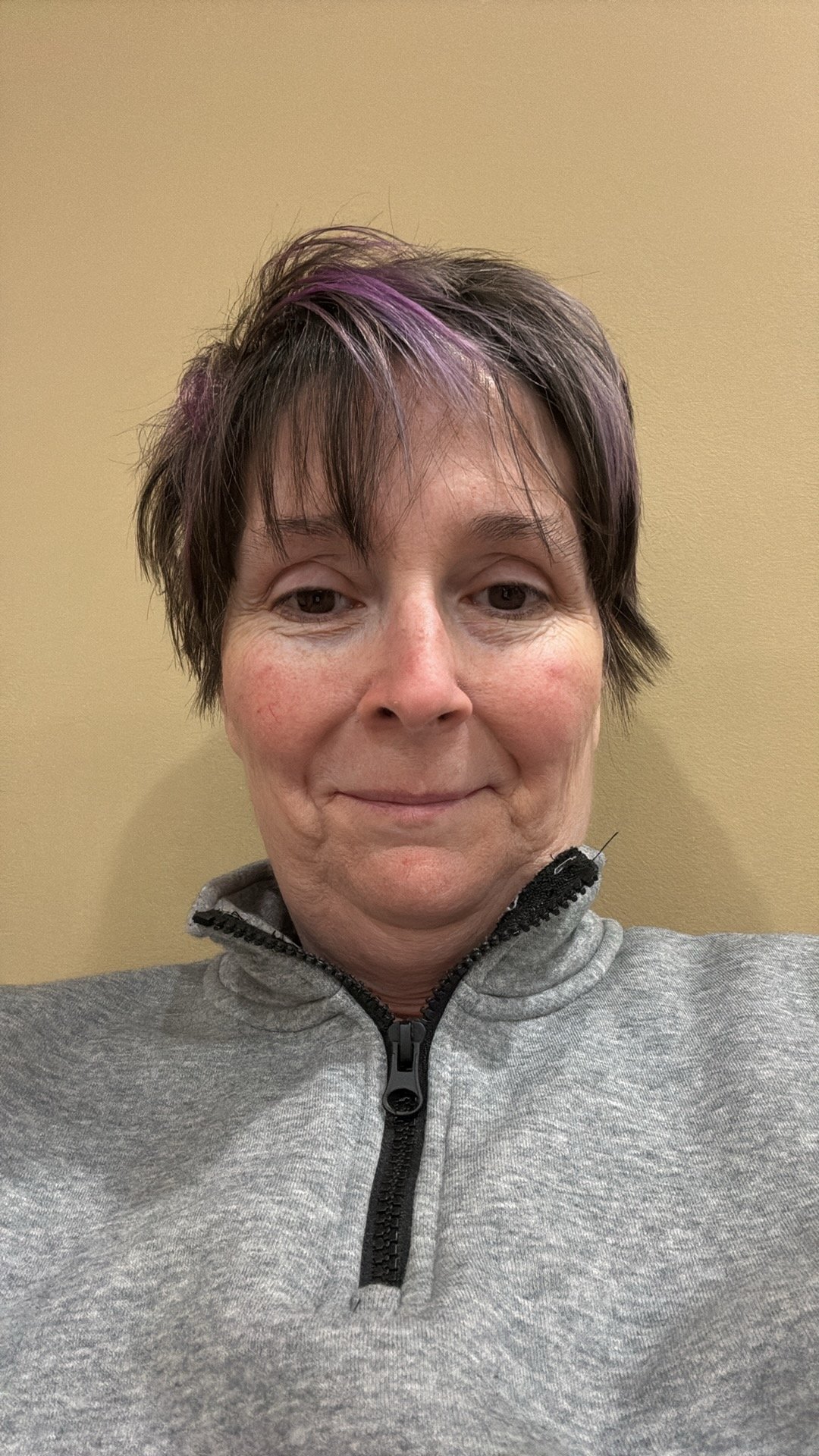
How to Grow Your Personal Brand with Wellness, Family, and Income in Mind Using Livegood
Learn how to effectively grow your personal brand by balancing wellness, family priorities, and affordable income opportunities through the Livegood business model. This guide offers real-life strategies for sustainable, authentic personal brand growth.
Quick Navigation
- Renee Shroyer’s Journey: Balancing Family, Wellness, and Income
- Defining Your Personal Brand with Wellness and Family Values
- Affordable and Authentic Strategies to Build Your Personal Brand
- Leveraging Livegood for Simple Income Streams Aligned with Your Brand
- Maintaining Work-Life Balance While Growing Your Brand and Income
- Tracking Progress and Staying Authentic for Long-Term Success
- Frequently Asked Questions
Learn how to effectively grow your personal brand by balancing wellness, family priorities, and affordable income opportunities through the Livegood business model. This guide offers real-life strategies for sustainable, authentic personal brand growth.
Renee Shroyer’s Journey: Balancing Family, Wellness, and Income
Renee Shroyer’s approach to personal brand growth is deeply rooted in her commitment to family, wellness, and creating a sustainable income. She understands that building a personal brand isn’t just about professional success—it’s about aligning your values and lifestyle with your goals. For Renee, this means prioritizing her family’s needs while also focusing on her own health and well-being.
Her journey began with a desire to find balance. Like many, Renee wanted to grow her personal brand without sacrificing time with her loved ones or compromising her wellness. This led her to explore opportunities that supported all aspects of her life, guiding her to Livegood, a platform that integrates wellness products with business growth.
Renee’s story resonates with those who want more than just financial gain from their personal brand. She shares practical insights on how to maintain a family-first mindset, incorporate wellness into daily routines, and build income streams that support long-term stability. Her experience highlights the importance of authenticity and balance in personal brand growth.
- Focus on aligning personal values with brand goals
- Prioritize family time alongside professional growth
- Incorporate wellness habits into daily life
- Explore business opportunities that support holistic success
- Build income streams that complement a balanced lifestyle
Imagine Renee waking up early to meditate and stretch before her kids start their day, setting a calm tone for both wellness and productivity. She then schedules dedicated family dinners, ensuring quality time without distractions. By integrating wellness routines into her daily life, Renee not only boosts her energy but also models healthy habits for her family. This balance allows her to approach her personal brand growth with clarity and purpose, demonstrating that success doesn’t have to come at the expense of loved ones or self-care.
Renee could dedicate the first hour after waking up to a wellness ritual like journaling or yoga, followed by a short business planning session. Later in the evening, she might turn off all devices to enjoy uninterrupted time with her family, reinforcing her commitment to both personal and professional growth.
Pro Tip: Set clear boundaries between work and family time to maintain focus and prevent burnout. Consistency in wellness habits creates a strong foundation for sustainable personal brand growth.
Common Mistake: Many people try to juggle work and family without clear priorities, leading to stress and diluted efforts in both areas. Neglecting wellness often results in decreased productivity and motivation.
By weaving wellness and family priorities into her daily routine, Renee sets a powerful example of how personal brand growth can be both meaningful and manageable.
Defining Your Personal Brand with Wellness and Family Values
Building a personal brand starts with understanding what matters most to you. For many, wellness and family are core values that shape daily decisions and long-term goals. When these values are clearly defined and communicated, they create a strong foundation for authentic personal brand growth. This means being honest about your priorities and letting those guide how you present yourself to others.
Wellness is more than just physical health; it includes mental and emotional well-being. Incorporating this broader view into your personal brand shows that you value balance and self-care. Similarly, a family-first mindset reflects commitment, support, and connection, which resonate deeply with audiences looking for genuine relationships.
By aligning your personal brand with wellness and family values, you create a narrative that feels true to who you are. This authenticity helps attract like-minded individuals and builds trust over time. It also sets you apart in a crowded marketplace where many personal brands may focus solely on professional achievements or income.
- Identify what wellness means to you personally and how it influences your lifestyle.
- Reflect on your family values and how they shape your decisions and interactions.
- Be authentic in sharing your journey, including challenges and successes related to wellness and family.
- Use your values as a filter for the content you create and the partnerships you pursue.
- Remember that sustainable personal brand growth comes from consistency and genuine connection.
Affordable and Authentic Strategies to Build Your Personal Brand
Building a personal brand around wellness, family, and income doesn’t have to be complicated or expensive. The key is to focus on authenticity and consistency while using tools and platforms that are accessible to most people. Start by identifying what makes your wellness journey unique and how it connects with your family values and financial goals. This clarity will guide your content creation and help you attract an audience that resonates with your message.
Creating content doesn’t require fancy equipment or professional studios. Use your smartphone to capture genuine moments, whether it’s a quick tip on wellness, a family activity, or a behind-the-scenes look at your Livegood business. Short videos, simple photos, and honest captions work well on social media platforms like Instagram, Facebook, and TikTok. Consistency is more important than perfection; posting regularly keeps your audience engaged and helps build trust over time.
Engagement is another critical component of personal brand growth. Respond to comments, ask questions, and create polls or interactive stories to encourage your audience to participate. This two-way communication makes your followers feel valued and more connected to your brand. Additionally, leverage free or low-cost marketing tools such as email newsletters or community groups to deepen relationships and share valuable content without overwhelming your budget.
- Focus on authentic storytelling that reflects your wellness journey and family life.
- Use your smartphone to create simple, relatable content regularly.
- Engage actively with your audience through comments, questions, and interactive posts.
- Utilize accessible platforms like Instagram, Facebook, TikTok, and email newsletters.
- Leverage Livegood’s wellness products as part of your content to provide real value.
Imagine Renee Shroyer sharing a candid moment where she balances a morning wellness routine with her kids before diving into her Livegood business tasks. She films a quick video on how a simple meditation practice helps her stay centered, even on busy family days. By showing this real-life integration, she connects authentically with followers who also juggle wellness, family, and income goals. This genuine approach invites her audience to see her not just as a business owner but as someone relatable, making personal brand growth feel achievable and sincere.
Renee could post a short clip of preparing a healthy family breakfast while discussing how Livegood’s products support her energy levels. Adding a question like, 'What’s your go-to morning wellness ritual?' invites comments and builds community engagement.
Pro Tip: Focus on storytelling that highlights your daily life intersections between wellness, family, and income to create relatable content that resonates deeply with your audience.
Common Mistake: Avoid trying to present a perfect image; followers engage more with authenticity than polished but impersonal posts.
With these authentic and affordable strategies in place, you’re ready to deepen connections and expand your personal brand effectively.
Leveraging Livegood for Simple Income Streams Aligned with Your Brand
Livegood offers a business model that is particularly supportive for moms and families looking to generate income in a way that fits naturally with their wellness-focused personal brands. The platform emphasizes affordable access to wellness products, making it easier for individuals to promote items they genuinely believe in without the pressure of high upfront costs. This approach allows you to maintain authenticity, which is key to personal brand growth.
By integrating Livegood’s offerings into your personal brand, you can create income streams that complement your existing content and lifestyle. The products align well with health-conscious audiences, which means your promotion efforts feel organic rather than forced. This alignment helps build trust with your followers while providing a pathway to monetize your influence.
The simplicity of Livegood’s model means you can start small and scale at your own pace. This flexibility is ideal for busy parents who need income opportunities that don’t demand a full-time commitment. Additionally, the community aspect of Livegood offers support and resources to help you grow your business alongside your personal brand.
- Affordable wellness products reduce financial barriers to entry.
- Product alignment with health and family values enhances brand authenticity.
- Flexible business model fits around family schedules and commitments.
- Supportive community resources help with business and brand growth.
- Income streams complement rather than compete with your personal brand content.
Maintaining Work-Life Balance While Growing Your Brand and Income
Growing your personal brand with Livegood can be rewarding, but it’s important to keep your family and wellness priorities front and center. One of the best ways to do this is by managing your time effectively. Start by creating a daily schedule that blocks out specific times for work, family, and self-care. This helps prevent work from bleeding into personal time and ensures you dedicate attention to what matters most.
Setting clear boundaries is essential. Communicate your work hours to your family and colleagues, and stick to them. Avoid checking emails or social media related to your brand outside of these hours. This separation helps reduce stress and keeps your relationships strong. Remember, your personal brand will benefit when you’re well-rested and emotionally available.
Sustaining wellness is another key factor. Incorporate simple habits like regular exercise, healthy meals, and short breaks throughout your day. These habits improve focus and energy, making your work more effective. Don’t hesitate to use Livegood’s wellness products as part of your routine to support your health goals.
To maintain balance while growing your brand and income, consider these practical tips:
- Use a planner or digital calendar to organize work and family time.
- Set specific start and end times for your workday and honor them.
- Create a dedicated workspace to mentally separate work from home life.
- Prioritize self-care activities like meditation, exercise, or hobbies.
- Regularly review your schedule and adjust to prevent burnout.
Imagine Renee Shroyer starting her day with a clear schedule: mornings dedicated to family breakfast and school prep, midday blocks reserved for Livegood business calls, and evenings set aside for yoga and unwinding. By establishing these routines, she avoids the common pitfall of letting work spill into personal time. This balance not only keeps her energized but also models healthy boundaries for her family, reinforcing that personal brand growth doesn’t have to come at the expense of wellness or relationships.
Set a daily alarm signaling the end of your workday, just like Renee might do, and use that as a cue to close your laptop and switch off work notifications. This clear cutoff helps protect family dinners and personal downtime from being interrupted by business tasks.
Pro Tip: Use time-blocking techniques to visually separate work and personal activities on your calendar, making it easier to stick to boundaries.
Common Mistake: Many personal brand builders blur the lines between work and home, leading to burnout and strained relationships.
With these strategies in place, you can confidently grow your personal brand while nurturing your wellness and family connections.
Tracking Progress and Staying Authentic for Long-Term Success
Growing your personal brand with Livegood requires more than just enthusiasm; it demands consistent tracking and honest reflection. Start by setting clear, measurable goals related to wellness, family balance, and income. Regularly review your progress to see what’s working and what needs adjustment. This ongoing evaluation helps you stay aligned with your values and ensures your brand growth is genuine and sustainable.
Avoid chasing trends or hype that don’t fit your authentic self. Instead, focus on creating content and connections that reflect your true experiences and beliefs. Authenticity builds trust with your audience, which is essential for long-term success. When you’re transparent about your journey, including challenges and successes, people are more likely to engage and support your brand.
Use real-life feedback from your community to guide your strategy. Listen to comments, questions, and concerns to better understand what resonates. This approach allows you to adapt without losing your core message, making your personal brand stronger and more relatable over time.
- Set specific, measurable goals for wellness, family, and income growth.
- Regularly review and adjust your strategies based on real feedback.
- Stay true to your values and avoid following hype or trends blindly.
- Be transparent about your journey to build trust with your audience.
- Use community input to refine your personal brand authentically.
Frequently Asked Questions
How can I grow my personal brand while prioritizing family?
Explain strategies for integrating family values into brand messaging, setting realistic goals, and managing time effectively to maintain family-first balance.
What are affordable ways to build a wellness-focused personal brand?
Highlight low-cost tools, content creation tips, and community engagement methods that align with wellness and authenticity without requiring large budgets.
How does Livegood support personal brand growth?
Describe Livegood’s business model, its wellness product focus, and how it offers simple income streams that complement personal branding efforts.
What are simple income streams for moms building a brand?
Outline accessible income opportunities like affiliate marketing with Livegood that fit into busy family lives and support steady earnings.
How to balance wellness and income in personal branding?
Provide tips on maintaining self-care routines, setting boundaries, and choosing income strategies that do not compromise wellness or family time.
Next Step
Want help turning this into action? Save this page, compare it to your current brand, and decide what needs to become clearer next.
Follow along with Renee Shroyer for more practical guidance.
Related Resources
Take 60 seconds and scan the focus link for one thing: what they clearly prioritize, and what they ignore.
- Headline test: what promise do they lead with?
- Mechanism test: what do they say “works” (without hype)?
- Proof of focus: do they repeat one message everywhere?
Then come back and compare what you noticed to the framework in the post.