Authentic Personal Brand Growth with Livegood: Balancing Wellness, Income, and Family
Learn how to build a family-focused, wellness-centered personal brand using affordable tools like Livegood. This guide offers actionable steps to balance income generation and real-life priorities for sustainable brand growth.
Quick Navigation
- Renee Shroyer’s Journey: Building a Family-First Wellness Brand with Livegood
- Core Pillars of Personal Brand Growth: Wellness, Income, and Family Integration
- Affordable and Authentic Strategies to Build Your Personal Brand with Livegood
- Balancing Challenges: Managing Wellness, Income Streams, and Family Responsibilities
- Comparing Branding Approaches: Family-First Wellness Branding vs. Traditional Methods
- Measuring Success and Adjusting Your Personal Brand Strategy Over Time
- Frequently Asked Questions
Learn how to build a family-focused, wellness-centered personal brand using affordable tools like Livegood. This guide offers actionable steps to balance income generation and real-life priorities for sustainable brand growth.
Renee Shroyer’s Journey: Building a Family-First Wellness Brand with Livegood
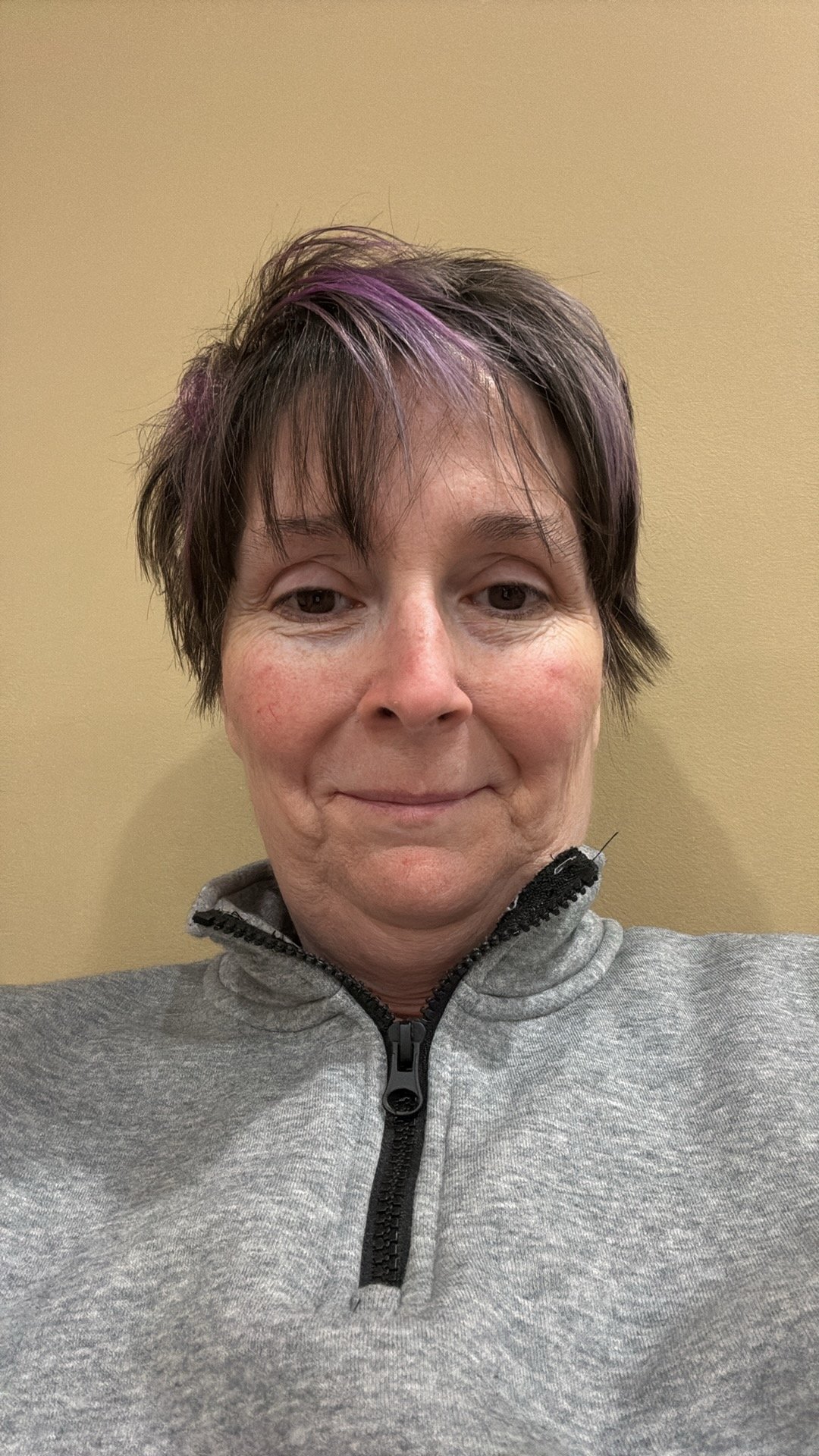
Renee Shroyer’s path to personal brand growth is deeply rooted in her commitment to balancing wellness, income, and family. As someone who values authenticity, Renee has chosen to build her brand through Livegood, a company focused on health and wellness products. Her approach reflects a genuine desire to share wellness benefits with others while maintaining a strong family connection.
For Renee, personal brand growth isn’t just about business success; it’s about creating a lifestyle that supports her family’s well-being and financial stability. She believes that true growth comes from aligning her professional goals with her personal values, which is why she emphasizes transparency and trust in her interactions. This mindset resonates with many who seek a more meaningful way to develop their personal brand.
By partnering with Livegood, Renee found a platform that supports her vision of holistic wellness combined with income opportunities. Her story highlights the importance of integrating family priorities into business decisions, demonstrating that it’s possible to pursue entrepreneurial goals without sacrificing what matters most at home.
- Focuses on authentic wellness and family values
- Uses Livegood to balance health products with income opportunities
- Emphasizes transparency and trust in personal branding
- Aligns business growth with personal and family well-being
Imagine Renee starting her day with a morning routine that includes a quick wellness check-in with her family, followed by a virtual meeting with her Livegood team. This balance allows her to stay connected both personally and professionally. She might share a story about how a simple conversation over dinner led to a new approach in promoting Livegood products that better align with family health needs. This kind of integration shows how personal brand growth can be nurtured through everyday moments, reinforcing the authenticity and family-first values that define her brand.
For instance, Renee might schedule her Livegood marketing efforts around her children's school hours, ensuring she remains present for family milestones while steadily building her personal brand. Utilizing social media tools to share genuine wellness tips during these windows helps maintain engagement without overwhelming her schedule.
Pro Tip: Always align your business messaging with your core personal values to create a brand that resonates authentically with your audience.
Common Mistake: Many entrepreneurs focus solely on income growth, neglecting the importance of maintaining personal authenticity and family balance, which can lead to burnout and disconnect.
With this foundation of authenticity and balance, Renee’s journey offers valuable insights into sustainable personal brand growth.
Core Pillars of Personal Brand Growth: Wellness, Income, and Family Integration
Building a personal brand is more than just promoting yourself or your business; it requires a balanced approach that respects all areas of your life. For Renee Shroyer, integrating wellness, income, and family priorities forms the foundation of sustainable personal brand growth. These three pillars support each other and create a stable base from which authentic connections and consistent progress can emerge.
Wellness is essential because it affects your energy, focus, and overall ability to engage with your audience. Prioritizing physical and mental health ensures that you can show up consistently and authentically. Without wellness, maintaining the stamina needed for personal brand development becomes challenging, leading to burnout or inconsistency.
Income generation is another critical pillar. A personal brand must have a clear strategy for creating value and earning income, whether through products, services, or partnerships. This financial aspect supports the brand’s growth and sustainability, allowing you to reinvest in your business and personal development.
Finally, family integration acknowledges that personal life and professional growth are interconnected. Balancing family commitments with brand-building efforts helps maintain emotional support and prevents personal sacrifices that can undermine long-term success. When family is included as a priority, it fosters a more grounded and relatable brand image.
- Wellness supports consistent energy and authentic engagement.
- Income generation provides financial stability and growth potential.
- Family integration ensures emotional support and work-life balance.
- Together, these pillars create a sustainable framework for personal brand growth.
- Balancing these areas helps avoid burnout and promotes long-term success.
Affordable and Authentic Strategies to Build Your Personal Brand with Livegood
Building a personal brand can feel overwhelming, especially when trying to balance wellness, income, and family. Renee Shroyer’s approach with Livegood focuses on authenticity and affordability, making it easier to grow your personal brand without resorting to hype or complicated tactics. The key is to use practical, straightforward strategies that align with your values and lifestyle.
Livegood’s wellness platform offers a simple way to share health-focused products that resonate with your audience. By genuinely using and recommending products you believe in, you create trust and credibility. This authenticity helps your personal brand stand out naturally, rather than relying on exaggerated claims or aggressive marketing.
To get started, focus on these affordable and actionable steps:
- Create consistent, honest content about your wellness journey using Livegood products, such as blog posts, social media updates, or short videos.
- Engage with your audience by answering questions and sharing personal experiences instead of scripted sales pitches.
- Leverage Livegood’s community support to learn from others and stay motivated without added costs or pressure.
- Use simple tools like free social media platforms and basic photo or video editing apps to maintain a professional look without extra expenses.
- Set realistic goals for your brand growth that fit your schedule and family commitments, ensuring steady progress without burnout.
Imagine Sarah, a busy mom juggling her kids' schedules while trying to build her personal brand. She started by sharing simple posts about how Livegood's wellness products helped her maintain energy through hectic days. Instead of pushing sales, Sarah focused on honest updates and responding to questions from her followers. Over time, her authentic approach attracted a community interested in wellness and family balance. This real connection made her brand relatable and trustworthy, showing that personal brand growth doesn’t require flashy tactics—just genuine sharing and consistency.
For instance, you might post a short video showing your morning routine with a Livegood supplement, explaining how it helps you stay focused. Then, engage by answering followers’ questions about the product’s benefits or sharing tips for incorporating wellness into a busy lifestyle.
Pro Tip: Focus on storytelling that highlights your real-life experiences with Livegood products to create deeper connections with your audience.
Common Mistake: Avoid overloading your content with sales jargon or unrealistic promises, which can alienate your audience and harm your credibility.
With these authentic strategies in place, you can confidently grow your personal brand while staying true to your values and priorities.
Balancing Challenges: Managing Wellness, Income Streams, and Family Responsibilities
Family-focused entrepreneurs like Renee Shroyer often face the complex task of balancing personal wellness, multiple income streams, and family responsibilities. Each area demands attention and energy, making it easy to feel overwhelmed. Recognizing these challenges is the first step toward creating a sustainable approach to personal brand growth within the Livegood business model.
Wellness is foundational. Without maintaining physical and mental health, managing other aspects becomes difficult. Simple routines such as regular exercise, mindful breaks, and sufficient sleep can make a significant difference. Scheduling wellness activities just like business tasks can help ensure they are prioritized.
Income diversification through Livegood offers flexibility but requires consistent effort to maintain. Setting clear goals and realistic timelines for income streams can prevent burnout. Using tools like calendars or apps to track progress helps keep multiple projects organized without sacrificing family time.
- Create a daily schedule that includes dedicated time for wellness, work, and family.
- Use technology to automate or streamline business tasks where possible.
- Set boundaries to protect family time, such as defined work hours.
- Communicate openly with family about business goals and challenges.
- Regularly review and adjust income strategies to align with personal and family priorities.
Comparing Branding Approaches: Family-First Wellness Branding vs. Traditional Methods
When building a personal brand, the approach you choose can significantly affect how authentic and sustainable your growth feels. Family-first wellness branding, like the approach Renee Shroyer uses with Livegood, centers around integrating personal wellness and family values into the brand story. This method emphasizes transparency, relatability, and a holistic lifestyle, creating a connection with audiences who prioritize health and family balance.
Traditional personal branding methods often focus on professional achievements, expertise, or niche authority. These approaches may highlight career milestones, skills, or product features without necessarily weaving in personal life or wellness themes. While effective in certain industries, this can sometimes come across as impersonal or overly polished, potentially limiting emotional engagement with the audience.
Choosing between these branding styles depends on your core values and the message you want to share. Family-first wellness branding suits those who want to promote a lifestyle that balances income, health, and family priorities, fostering trust through openness. Traditional branding might be better if your goal is to establish yourself primarily as an expert or thought leader without emphasizing personal life.
- Family-first branding integrates personal wellness and family stories, creating emotional connections.
- Traditional branding highlights professional expertise and achievements, focusing on authority.
- Wellness branding often uses relatable, transparent messaging about lifestyle and balance.
- Traditional methods may feel more formal and less personal but can build credibility in specific niches.
- Your choice should align with your values and the audience you want to attract.
Imagine a wellness coach named Sarah who initially focused solely on showcasing her certifications and client success stories. While she attracted some clients, her messaging felt distant and transactional. After shifting to a family-first wellness branding approach, Sarah began sharing moments from her daily life—like preparing healthy meals with her kids or managing stress while balancing work and family. This transparency resonated deeply with her audience, leading to stronger relationships and more meaningful engagement. The authenticity in her brand story made her services feel more accessible and trustworthy, illustrating how integrating personal wellness and family values can transform personal brand growth.
Consider a Livegood ambassador who shares a weekly video diary about balancing product promotion with family time, such as attending their child’s soccer game while discussing wellness tips. This approach not only humanizes their brand but also demonstrates how their products fit into a balanced lifestyle, encouraging trust and loyalty among followers.
Pro Tip: When crafting your personal brand, weave in relatable stories that highlight your lifestyle and values to foster genuine connections with your audience.
Common Mistake: Many brands focus too heavily on achievements and neglect the human side, which can make their messaging feel cold and disconnected from their audience’s real-life experiences.
Understanding these contrasting branding approaches helps clarify which strategy aligns best with your personal values and long-term goals.
Measuring Success and Adjusting Your Personal Brand Strategy Over Time
Setting realistic goals is the first step in tracking your personal brand growth with Livegood. Start by defining clear, achievable milestones that align with your wellness, income, and family priorities. These goals might include increasing your social media engagement, growing your email list, or balancing time spent on business activities with family commitments.
Regularly monitoring your progress helps you stay on track and identify what’s working versus what needs adjustment. Use simple tools like spreadsheets or basic analytics on your social platforms to measure engagement, reach, and conversions. This data provides insight into how your audience is responding to your content and where you might improve.
Authentic engagement is key to sustaining long-term growth. Make it a habit to interact genuinely with your audience through comments, messages, and live sessions. This builds trust and deepens relationships, which are essential for a personal brand that reflects your true self and values.
Finally, be prepared to refine your strategy as you gather feedback and results. Personal brand growth is not static; it evolves with your life circumstances and market trends. Adjust your content, communication style, and goals to stay aligned with your overall vision and maintain a healthy balance between wellness, income, and family.
- Set clear, realistic goals aligned with your priorities
- Track progress using simple analytics tools
- Engage authentically with your audience regularly
- Review and adjust your strategy based on feedback and results
- Balance business growth with personal wellness and family time
Frequently Asked Questions
How can I grow my personal brand while prioritizing family?
Explain balancing time management, setting clear family-first brand values, and using authentic content that reflects family priorities.
What are affordable ways to build a wellness-focused personal brand?
Highlight cost-effective tools and platforms like Livegood, content marketing strategies, and leveraging social media authentically.
How does personal branding help generate income?
Describe how building trust and authority through personal branding opens opportunities for simple income streams aligned with wellness and family values.
What strategies balance wellness and business growth?
Offer advice on integrating wellness practices into daily routines, setting boundaries, and creating sustainable business models that support health.
How to create authentic content for personal brand growth?
Recommend focusing on real-life stories, family experiences, wellness journeys, and transparent communication to engage audiences genuinely.
Next Step
Want help turning this into action? Save this page, compare it to your current brand, and decide what needs to become clearer next.
Follow along with Renee Shroyer for more practical guidance.
Related Resources
Take 60 seconds and scan the focus link for one thing: what they clearly prioritize, and what they ignore.
- Headline test: what promise do they lead with?
- Mechanism test: what do they say “works” (without hype)?
- Proof of focus: do they repeat one message everywhere?
Then come back and compare what you noticed to the framework in the post.