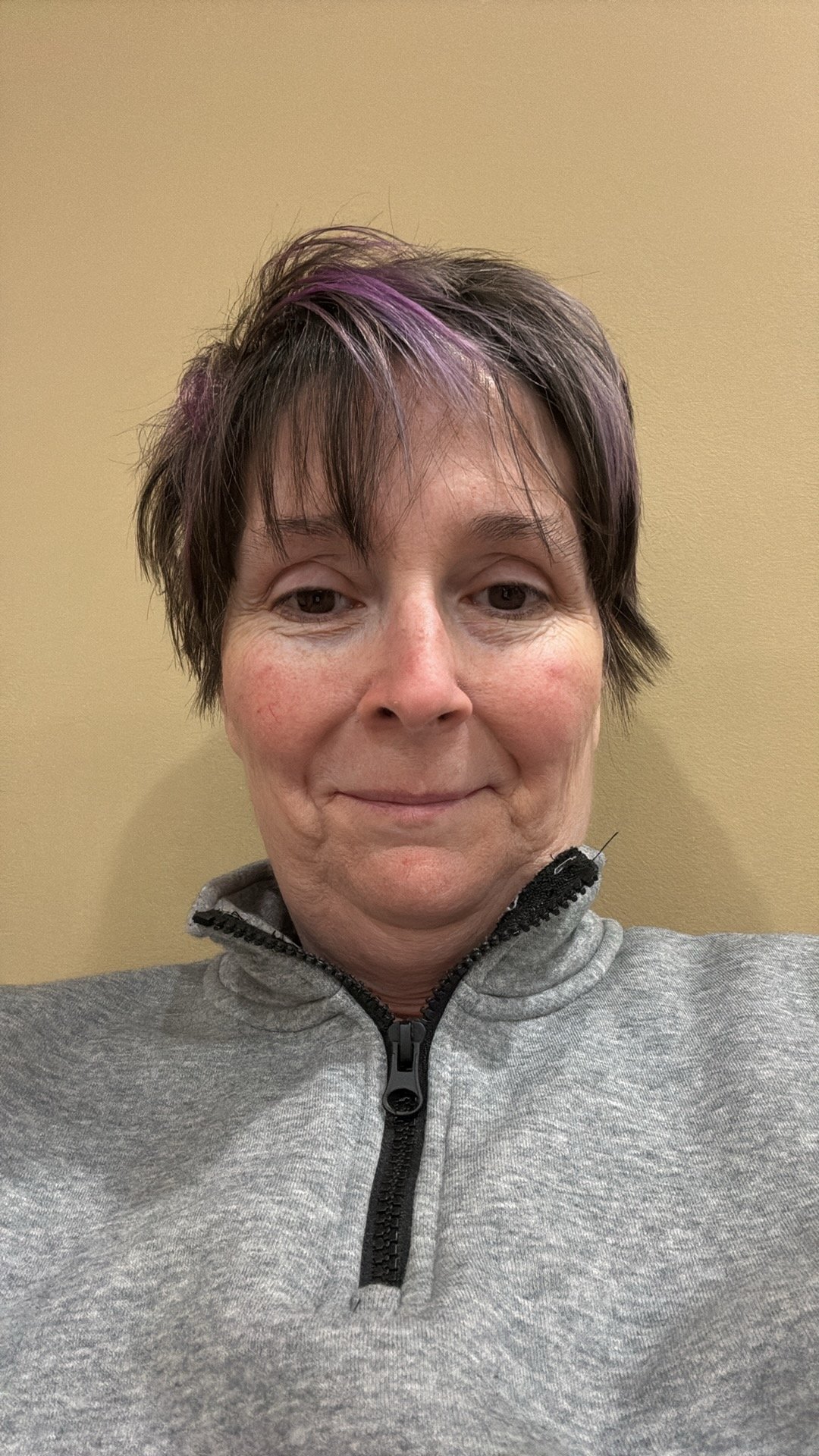
Authentic Personal Brand Growth with Livegood: Balancing Wellness, Income, and Family
Learn how to grow your personal brand authentically by integrating affordable wellness products from Livegood, creating simple income streams, and maintaining a family-first approach. This guide offers actionable steps to balance wellness, income, and family priorities effectively.
Quick Navigation
- Embracing Family and Wellness Values: Renee Shroyer’s Personal Brand Journey
- Defining Core Values and Setting Boundaries for Balanced Brand Growth
- Integrating Livegood’s Affordable Wellness Products into Your Brand
- Developing Simple and Sustainable Income Streams through Personal Branding
- Navigating Common Challenges and Avoiding Hype in Family-Focused Branding
- Checklist and Resources for Ongoing Personal Brand Growth with Livegood
- Frequently Asked Questions
Learn how to grow your personal brand authentically by integrating affordable wellness products from Livegood, creating simple income streams, and maintaining a family-first approach. This guide offers actionable steps to balance wellness, income, and family priorities effectively.
Embracing Family and Wellness Values: Renee Shroyer’s Personal Brand Journey
Renee Shroyer’s personal brand growth is deeply rooted in her commitment to family and wellness. From the beginning, she recognized that building a brand isn’t just about business success—it’s about aligning with core values that resonate authentically. For Renee, this meant prioritizing her family’s well-being alongside her professional goals, creating a balance that many aspire to but often find challenging to achieve.
Her journey with Livegood reflects this balance. By integrating wellness into her brand, Renee emphasizes health not just as a product or service but as a lifestyle choice that supports her family and community. This approach has helped her connect with others who value similar principles, fostering trust and genuine relationships.
Renee’s story demonstrates that personal brand growth is more sustainable when it is grounded in authenticity and meaningful values. It’s a reminder that success doesn’t have to come at the expense of family time or personal health, but rather can grow alongside them.
- Focus on family-first values to maintain balance in personal and professional life
- Integrate wellness as a core component of the brand identity
- Build trust through authentic and value-driven connections
- Showcase how personal well-being supports long-term brand growth
- Demonstrate that success is achievable without sacrificing important life priorities
Imagine Renee starting her day with a morning routine that includes mindfulness and a healthy breakfast shared with her family before diving into her Livegood business tasks. This simple practice not only grounds her but also sets a tone of wellness and connection that permeates her brand messaging. By openly sharing these daily rituals on social media, she invites her audience into her authentic life, showing that personal brand growth is not just about professional achievements but about nurturing the whole self and family. This transparency helps followers see her as relatable and trustworthy, reinforcing the values she champions.
Renee might schedule weekly 'wellness check-ins' with her team or community where she discusses balancing work and family life, shares wellness tips, and encourages others to prioritize self-care. This not only strengthens her community but also positions her brand as supportive and value-driven.
Pro Tip: Consistently share small, authentic moments from your personal life to build deeper connections with your audience and reinforce your brand values.
Common Mistake: Focusing solely on business metrics without integrating personal values can make your brand feel impersonal and disconnected from your audience.
Building on these foundational values, Renee’s approach to personal brand growth offers actionable insights for those seeking harmony between their professional ambitions and personal life.
Defining Core Values and Setting Boundaries for Balanced Brand Growth
Building a personal brand that truly reflects who you are starts with understanding your core values, especially when balancing wellness, income, and family. Take time to identify what matters most to you in each of these areas. For example, consider what family moments you want to prioritize, how wellness fits into your daily routine, and what financial goals support your lifestyle without overwhelming you.
Once your values are clear, setting boundaries becomes essential to maintain balance. Boundaries help you protect your time and energy, ensuring that work doesn’t encroach on family or self-care. This might mean establishing specific work hours, designating tech-free family time, or scheduling regular wellness activities that are non-negotiable.
By defining your values and setting boundaries, you create a sustainable framework for your personal brand. This approach not only keeps your brand authentic but also prevents burnout and supports long-term growth aligned with your life priorities.
- List your top three family values and how they influence your daily decisions.
- Identify wellness practices that energize you and commit to them regularly.
- Set clear work hours to separate professional tasks from personal time.
- Communicate boundaries with clients and colleagues to manage expectations.
- Review and adjust your boundaries periodically to stay aligned with evolving priorities.
Integrating Livegood’s Affordable Wellness Products into Your Brand
Incorporating Livegood’s wellness products into your personal brand can be a practical way to provide value to your audience while supporting your income goals. The key is to introduce these offerings authentically, focusing on how they align with your personal values and the wellness needs of your community. Rather than pushing products aggressively, share your genuine experiences and insights about how these affordable options fit into a balanced lifestyle.
To maintain authenticity, it’s important to position the products as part of a broader wellness journey rather than standalone solutions. This approach helps your audience see the connection between what you promote and your own commitment to health and well-being. By doing so, you build trust and encourage organic interest, which can naturally lead to income generation without feeling forced or overly sales-driven.
When adding Livegood products to your brand, consider these practical steps to keep your messaging clear and genuine:
- Highlight specific product benefits that resonate with your personal wellness philosophy.
- Share personal stories or testimonials that reflect real-life use and results.
- Educate your audience on the importance of affordable wellness options in maintaining long-term health.
- Integrate product mentions into broader content about lifestyle, self-care, and balance.
- Avoid exaggerated claims; focus on transparency and honest communication.
Imagine Renee sharing how she discovered Livegood's affordable wellness products during a particularly hectic season balancing family and work. Instead of a hard sell, she talks about incorporating a daily supplement into her morning routine, emphasizing how it supports her energy levels without breaking the budget. This honest narrative helps her audience relate, seeing the products as practical tools rather than gimmicks. Her story underscores that wellness doesn't require expensive solutions, just thoughtful choices aligned with personal values.
When Renee posts about her self-care Sunday routine, she casually includes how she uses a Livegood product as part of her relaxation process, explaining its benefits in the context of stress relief and balance rather than as a standalone miracle cure.
Pro Tip: Focus on weaving product mentions naturally into your everyday wellness conversations to keep your audience engaged and trusting your recommendations.
Common Mistake: Avoid turning your personal brand into a constant sales pitch, which can alienate your audience and undermine your authenticity.
By grounding product promotion in real-life context, you create a seamless connection between your brand values and the wellness solutions you endorse.
Developing Simple and Sustainable Income Streams through Personal Branding
Building a personal brand that supports both your wellness goals and family priorities requires focusing on income streams that are manageable and authentic. Instead of chasing complicated business models or quick fixes, aim for straightforward opportunities that align with your values and lifestyle. This approach not only reduces stress but also helps maintain a consistent presence that your audience can trust.
Start by identifying your strengths and interests within the wellness space and how they can naturally connect with your audience. For example, sharing your journey with Livegood products or wellness routines can open doors to affiliate marketing or product recommendations that feel genuine. The key is to keep your messaging clear and relatable, avoiding overcomplicated sales tactics.
Consistency is crucial, but it doesn’t mean overwhelming yourself. Small, regular actions like posting helpful content, engaging with your community, or hosting simple live sessions can build momentum over time. This steady approach allows you to balance income generation with family time and personal well-being.
- Focus on income streams that align with your wellness values and family schedule.
- Leverage authentic storytelling to connect with your audience naturally.
- Use simple content formats like short videos, blog posts, or social media updates.
- Engage regularly but without pressure—quality over quantity.
- Avoid complex schemes; prioritize transparency and trust in your brand.
Navigating Common Challenges and Avoiding Hype in Family-Focused Branding
Balancing wellness, income, and family within a personal brand can be complex, especially when promoting products or services like those from Livegood. One common challenge is managing expectations—both your own and those of your audience. It's easy to feel pressure to present an idealized version of your life, but authenticity resonates more deeply than perfection. Being honest about the ups and downs of balancing these priorities helps build trust and long-term engagement.
Another obstacle is avoiding the temptation to overpromise or rely on hype in marketing. Exaggerated claims or unrealistic success stories can alienate your audience and damage your credibility. Instead, focus on sharing genuine experiences and practical insights about how your wellness journey and family life intersect with your income goals. This grounded approach encourages meaningful connections and sustainable growth.
To maintain honesty and real-life relevance in your branding efforts, consider these strategies:
- Share both successes and challenges to create a relatable narrative.
- Use clear, straightforward language that reflects your true experience.
- Avoid making guarantees or claims that can’t be backed up by your own journey.
- Keep your messaging aligned with your values and family priorities.
- Engage with your audience by inviting questions and feedback about their own balancing acts.
Imagine Renee sharing a moment when she openly discussed a week where juggling family commitments and promoting Livegood products felt overwhelming. Instead of hiding the struggle, she posted a candid update about needing to adjust her schedule and prioritize self-care. This vulnerability sparked a wave of supportive comments from followers, many relating to the challenge of balancing multiple priorities. It highlighted that personal brand growth isn’t about flawless presentation but about connecting through shared human experiences, which ultimately strengthens trust and loyalty.
Instead of promising quick financial gains with Livegood, Renee might share how setting small, consistent wellness goals alongside family time gradually contributed to her income growth. This approach shows practical steps and patience, making her brand more approachable and credible.
Pro Tip: Regularly update your audience with authentic stories, including setbacks, to foster a deeper connection and demonstrate real progress.
Common Mistake: A frequent error is presenting only success stories, which can create unrealistic expectations and distance your audience from your true journey.
By embracing honesty and practical storytelling, you pave the way for a personal brand that genuinely resonates and grows sustainably.
Checklist and Resources for Ongoing Personal Brand Growth with Livegood
Building and maintaining an authentic personal brand with Livegood involves consistent effort and clear priorities. Start by regularly sharing your wellness journey and family experiences in a way that feels genuine to you. This transparency helps build trust and connection with your audience over time.
To keep your personal brand growth on track, set aside time each week to engage with your community, whether through social media, Livegood events, or one-on-one conversations. Consistency in communication is key to nurturing relationships and expanding your network.
Additionally, staying informed about Livegood’s latest products and wellness trends allows you to provide valuable, up-to-date information to your followers. This positions you as a knowledgeable and reliable resource within your niche.
- Create a weekly content plan focused on wellness, family life, and Livegood products.
- Engage daily with your audience by responding to comments and messages.
- Attend Livegood training sessions or webinars to stay updated.
- Track your personal brand growth through simple metrics like follower engagement and direct inquiries.
- Balance your time by prioritizing family and self-care alongside your business activities.
Frequently Asked Questions
How can I grow my personal brand while prioritizing family?
Explain strategies for setting clear family-first values, establishing boundaries, and creating content that reflects real-life family experiences to maintain balance.
What are effective ways to integrate wellness into personal branding?
Describe how to authentically incorporate affordable wellness products like those from Livegood into branding efforts to add value and support health-focused messaging.
How do I create income streams through personal branding?
Outline simple, sustainable income strategies that align with personal values and wellness focus, emphasizing transparency and avoiding complicated schemes.
What mistakes should I avoid when building a family-focused brand?
Highlight common pitfalls such as overhyping, neglecting family priorities, and complicating income approaches, and suggest ways to stay authentic and manageable.
How can Livegood support personal brand growth?
Detail how Livegood’s affordable wellness products and family-first business philosophy provide practical tools and credibility to enhance personal brand development.
Next Step
Want help turning this into action? Save this page, compare it to your current brand, and decide what needs to become clearer next.
Follow along with Renee Shroyer for more practical guidance.
Related Resources
Take 60 seconds and scan the focus link for one thing: what they clearly prioritize, and what they ignore.
- Headline test: what promise do they lead with?
- Mechanism test: what do they say “works” (without hype)?
- Proof of focus: do they repeat one message everywhere?
Then come back and compare what you noticed to the framework in the post.