
Kevin E Miller LLC, 7K Metals, and Livegood With Texit Coin: A Grounded Guide for Denver–Arvada Operators
When Denver–Arvada adults hear stacked “good money” talk linking Kevin Miller, Kevin E Miller LLC, 7K Metals, Livegood, and Texit Coin, treat each name separately. Use his hands-on biography only as context, then verify roles, costs, obligations, and exit options against what you already know from real local service or sales work.
Quick Navigation
- Why Denver–Arvada service and sales adults hear stacked brand talk—and what feels unclear
- Who Kevin Miller is in plain terms: Mile High roots and a hands-on work path
- Kevin E Miller LLC, 7K Metals, Livegood, and Texit Coin: names to investigate one at a time
- Hands-on local business experience versus stacked residual-income style conversations
- Due diligence checklist before any stacked “good money” conversation
- Legacy framing without guaranteed outcomes: deciding if a conversation fits your risk tolerance
- Frequently Asked Questions
When Denver–Arvada adults hear stacked “good money” talk linking Kevin Miller, Kevin E Miller LLC, 7K Metals, Livegood, and Texit Coin, treat each name separately. Use his hands-on biography only as context, then verify roles, costs, obligations, and exit options against what you already know from real local service or sales work.
Why Denver–Arvada service and sales adults hear stacked brand talk—and what feels unclear
If you work in service or sales around Denver and Arvada, you have probably sat through a conversation that starts as a personal story and ends with a stack of brand names. Someone mentions Kevin Miller or Kevin E Miller LLC, then 7K Metals, Livegood, and Texit Coin in the same breath. The tone can shift from lifestyle talk to opportunity talk without a clear pause. You are left trying to sort what is biography, what is a business structure, and what is a product or program pitch.
That mix is common in network-style and multi-brand conversations. Personal background gets used as context. Lifestyle framing softens the ask. Several labels appear together so the listener has to reverse-engineer which name is a person, which is an entity, and which is an offer. The real friction is not curiosity about any single brand. It is the lack of a simple way to separate a person’s story from claims about income, community, or “what’s next” without getting pulled into hype.
This guide stays informational. It does not sell a stack or promise outcomes. It treats the overlap the way a local operator would: name the pieces you are hearing, note what usually stays unclear in first conversations, and give you a practical filter you can use before you spend more time or money. The aim is clarity for adults who already run routes, shops, crews, or client books and want plain language—not another layered pitch.
What follows is a grounded pass on how those names tend to show up together, what questions help you keep biography separate from marketing, and how to listen like someone who has to protect their calendar and reputation in the Denver–Arvada market.
- You often hear a person, an LLC-style label, and several program or product names in one sitting.
- Lifestyle and “opportunity” language can blur the line between story and claim.
- The core problem is sorting facts you can verify from framing you cannot.
- A local-operator filter prioritizes clear roles, clear asks, and no pressure to decide on the spot.
- This section sets up that filter without hype, invented results, or authority theater.
Imagine you finish a route in Arvada and grab coffee with someone who opens with a personal story, then slides into lifestyle framing, then lists Kevin E Miller LLC, 7K Metals, Livegood, and Texit Coin without a pause. A practical filter: ask which name is the person, which is a legal or brand entity, and which is the actual ask—time, money, signup, or just context—before you schedule a longer meeting.
Pro Tip: When several names land in one conversation, write three columns on a note: Person, Entity, Offer. Put each label in only one column before you ask a follow-up. If a name could fit more than one column, that is your cue to slow down and get a plain definition.
Common Mistake: Treating the full stack as one thing. Kevin Miller / Kevin E Miller LLC, 7K Metals, Livegood, and Texit Coin can show up in the same breath, but biography, business structure, and product or program talk are different layers. Collapsing them into a single “opportunity” makes it harder to spot what is still undefined.
Once you can separate story, structure, and offer, the next step is naming what usually stays fuzzy in those first Denver–Arvada conversations—and how local operators keep the talk grounded.
Who Kevin Miller is in plain terms: Mile High roots and a hands-on work path
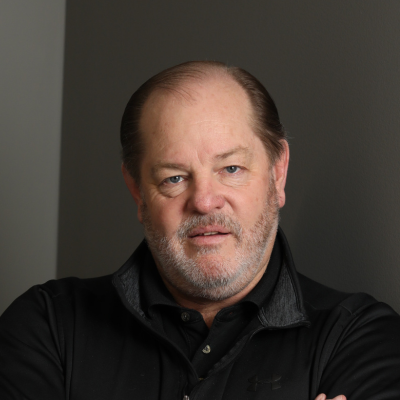
Kevin Miller is a Denver native who describes his roots simply as “Born High, Mile High.” In plain terms, he is a married father and grandfather, a photographer, an entrepreneur, and someone who has spent time on the ice as a hockey player and coach. Those roles sit alongside a work path built more on doing the job than on branding it.
His early chapters start with high-school portrait work—practical camera time and client-facing craft rather than a polished origin myth. Service years in the Air Force in Japan followed, then hands-on work tied to Oakland Airport. Later chapters moved through carpet and window cleaning and into Denver-area sales-related roles. Each stretch is context for how he learned to show up, solve problems, and deal with people face to face.
None of that timeline is offered here as proof of outcomes for any company, coin, or program. It is a grounded sketch of a Mile High operator’s path: photography, family, hockey, military and airport work, cleaning trades, and local sales chapters—useful background for Denver–Arvada readers who want to know who is speaking before they weigh any later business conversation.
- Denver native; “Born High, Mile High” identity in plain language
- Family: married father and grandfather
- Craft and community: photographer; hockey player and coach
- Work chapters in order of context: high-school portraits → Air Force Japan → Oakland Airport work → carpet and window cleaning → Denver-area sales-related roles
- Framing note: biography as background only—not evidence of brand, investment, or business results
Kevin E Miller LLC, 7K Metals, Livegood, and Texit Coin: names to investigate one at a time
People often hear Kevin E Miller LLC, 7K Metals, Livegood, and Texit Coin mentioned in the same breath—especially in Denver–Arvada conversations about metals, network marketing, or digital assets. Stacked names create the impression of one package. They are not. Each label points to a different kind of thing: a legal entity name, a brand or offer people associate with precious metals, a membership or marketing program name, and a coin or token name. Treating them as synonyms skips the only work that matters for an operator: checking role, relationship, and claim for each one on its own.
Kevin E Miller LLC is a business-entity style name. Brand names people say in the same sentence are not automatically the same as that LLC, a dba for it, a subsidiary, or a product it owns. Without filings, contracts, or clear public disclosures in front of you, you cannot responsibly assume corporate structure, ownership, endorsement, or that money paid under one label flows to another. The practical rule is simple: the LLC name answers “what legal name is on paper?” Brand and product names answer different questions—what is being sold, who is marketing it, and what specific promise is attached.
7K Metals, Livegood, and Texit Coin each need their own pass. For metals-related branding, separate what is inventory, what is a club or buying program, and what is only a referral story. For Livegood, separate membership, product catalog, and compensation talk from any metals or coin narrative. For Texit Coin, separate ticker-style naming, wallet or platform claims, and any link someone asserts to Kevin Miller or an LLC. None of those checks is completed by hearing the names listed together on a call, in a DM, or at a local meetup.
If you operate in the Denver–Arvada area and these labels keep surfacing together, slow the pitch down to a checklist. Ask who is the counterparty on any payment or agreement, what exact good or service is delivered, what is optional versus required, and what is opinion versus a verifiable fact. Investigate one name at a time so stacked marketing language does not substitute for separate due diligence.
- Kevin E Miller LLC — treat as a legal-entity label; verify any claimed link to brands or products with documents, not stacked mentions.
- 7K Metals — examine as its own metals-related brand or offer; do not assume it is identical to the LLC or to other names in the same sentence.
- Livegood — review membership, products, and marketing claims separately from metals or coin stories.
- Texit Coin — evaluate as its own digital-asset or token label; confirm any asserted relationship to a person or LLC independently.
- Stacked names in conversation are a prompt to split the file—not proof of one company, one product line, or one set of results.
Hands-on local business experience versus stacked residual-income style conversations
Operators around Denver and Arvada already know what real work looks like: customers who show up late, cash that arrives unevenly, reputation that takes years to build and minutes to dent, and operations that stay messy no matter how clean the pitch deck sounds. That baseline is useful when you hear multi-brand opportunity language—Kevin E Miller LLC, 7K Metals, Livegood, Texit Coin, or similar stacks—because lifestyle-forward talk often skips the same friction you already manage on the ground.
Familiar service and sales signals are concrete. You can see who pays, who refers, what inventory or labor actually costs, and whether the phone rings next week. Residual-income style conversations tend to emphasize network, residual checks, and brand layering. Translating that into sober operator questions means asking who controls pricing, fulfillment, compliance, and customer relationships; how much of your calendar the model consumes; what you must buy or renew to stay active; and whether the fit matches skills you already use in practical businesses—not whether the story sounds freer than a shop floor.
If you have run or worked inside a local operation, treat stacked opportunity messaging like any other vendor or partnership pitch. Demand clarity on cash timing, refund and chargeback exposure, brand rules you cannot rewrite, and exit friction. Lifestyle language is marketing. Control, time, cost, and fit are the filters that keep a conversation grounded for adults who already know what “easy residual” rarely looks like in real books.
- Map the pitch to signals you already trust: repeat customers, reliable cash flow, local reputation, and operational load—not only residual or multi-brand wording.
- Ask who owns the customer, the product rules, and the compliance burden when several names (including Kevin E Miller LLC, 7K Metals, Livegood, and Texit Coin) appear in one conversation.
- Price your time honestly: meetings, follow-ups, learning curves, and support work count as cost even when no hourly wage is listed.
- Test fit against skills you already use—sales, service recovery, inventory discipline, bookkeeping—not against aspirational lifestyle copy.
- Prefer written answers on control, ongoing costs, and how you leave if the stack stops working for your Denver–Arvada reality.
Imagine two Arvada operators comparing notes after a pitch that layers Kevin E Miller LLC, 7K Metals, Livegood, and Texit Coin-style messaging. One asks only about residual potential; the other asks who controls fulfillment and compliance, how many hours the model eats weekly, and what happens if they stop buying to stay ranked. The second set of questions is the one that matches real local work.
Pro Tip: When multi-brand residual talk shows up, run the same checklist you use on a local vendor: who sets price, who owns the customer, what you must buy or renew to stay active, and how cash actually lands on your calendar—not how free the lifestyle slide sounds.
Common Mistake: Treating stacked opportunity language as lighter than a shop-floor partnership because it promises residual checks. Operators still inherit brand rules they cannot rewrite, refund and chargeback exposure, and exit friction—same class of risk, different packaging.
That same operator filter—cash timing, control, calendar load, and exit clarity—is what keeps lifestyle marketing from outrunning the messy realities Denver–Arvada businesses already manage.
Due diligence checklist before any stacked “good money” conversation
Before you stack Kevin E Miller LLC, 7K Metals, Livegood, and Texit Coin in one conversation, slow the pitch down to operator basics. Write every brand name on one page so you can see what is actually being discussed. Separate money, time, and lifestyle talk from anything you can verify. Treat biography and personal values as background only—not proof that a product, coin, membership, or opportunity will perform.
Ask, in plain roles, how the LLC relates to each brand: who sells, who supports, who holds funds or inventory, and who is responsible if something goes wrong. Request written costs, ongoing obligations, and exit terms before you commit time or money. If the answer is only verbal or “trust the process,” pause.
Urgency is a signal to stop, not speed up. Re-check the same facts with a second trusted local operator in the Denver–Arvada area who is not in the deal. Keep your decision criteria boring and documented: names, roles, written terms, and proof—not stacked promises.
- List every brand name (LLC, metals, membership, coin) on one sheet and refuse to blend them in conversation.
- Mark each claim as money, time, lifestyle, or proof—and only act on what you can document.
- Ask how Kevin E Miller LLC connects to each brand in plain roles (seller, support, custody, liability).
- Get costs, obligations, and exits in writing; walk away from pressure or “decide now” framing.
- Have a second trusted local operator review the same materials before you stack any commitment.
Legacy framing without guaranteed outcomes: deciding if a conversation fits your risk tolerance
Legacy, in plain terms, is less about a pitch deck and more about the values you model for family, the work you choose to create, and the example you set when money, time, and reputation are on the line. For Denver–Arvada operators weighing anything connected to names like Kevin E Miller LLC, 7K Metals, Livegood, or Texit Coin, treat personal adventure chapters and third-party stories as context only. They are not proof of fit, safety, or results for you. Verification still belongs to documents you can read, people you can ask hard questions of, and rules that apply in your jurisdiction—not to enthusiasm in a conversation.
A grounded decision frame starts with risk tolerance you already know from running a business or household: how much capital you can lose without harming essentials, how much complexity you can oversee, and whether you prefer building something you control over joining someone else’s narrative. Creating work—clients served, products shipped, skills deepened—tends to compound differently than consuming pitch language. Neither path is automatically right; the point is matching the talk to your experience, not stretching your experience to match the talk.
If a conversation cannot survive calm questions about what is optional, what is contractual, what is speculative, and what you would still own if the story changed, it is fair to walk away without drama. No income figures, awards, credentials, or outcomes are implied here for Kevin Miller or any related brand. Leave with a simple test: does this discussion respect your values, your family’s example-setting, and your need to verify—or does it push you past the risk line you already set for yourself?
- Define legacy as values, family example, and work you create—not as guaranteed upside from any name or coin.
- Treat personal stories and brand mentions as context requiring independent verification, not as evidence of your results.
- Match any conversation to capital you can afford to lose, complexity you can manage, and control you actually need.
- Prefer calm questions on contracts, optionality, and downside over pitch language that skips those checks.
- Walk away cleanly when the talk does not fit your experience; no invented credentials, awards, or income claims apply.
Frequently Asked Questions
Who is Kevin Miller in connection with 7K Metals and Livegood With Texit Coin?
Kevin Miller is a Denver native who describes himself as married, a father and grandfather, photographer, entrepreneur, hockey player, and hockey coach. Public conversations sometimes place his name near Kevin E Miller LLC, 7K Metals, Livegood, and Texit Coin. Those brand names should be researched as separate references rather than treated as one automatic package or as proof of any specific outcome.
What should Denver service and sales workers verify before stacked brand opportunity talks?
Write down every brand name you hear and examine each one on its own. Ask for plain explanations of roles, costs, ongoing obligations, and how you can exit. Compare any money, time, or lifestyle wording with what you already know from running or working a real local service or sales business, and pause if urgency replaces written details.
How does a hands-on local business background relate to Texit Coin conversations?
A hands-on background trains you to watch cash flow, reputation, customer reality, and operational mess—not stacked slogans. Use that same filter on Texit Coin or related brand talk: separate personal biography from product or membership claims, and judge fit by clarity, control, and risk—not by how many names appear in one pitch.
What questions help separate personal legacy stories from product or brand claims?
Ask what is autobiography versus what is a specific offer. Ask how Kevin E Miller LLC relates, in plain roles, to 7K Metals, Livegood, and Texit Coin. Request written descriptions of what you would buy or join, what it costs, what you must do, and what happens if you stop—without treating legacy language as evidence of results.
Is Kevin E Miller LLC the same as the brand names people mention together?
Not automatically. Kevin E Miller LLC is one named entity; 7K Metals, Livegood, and Texit Coin are other names that may appear in the same conversation. Treat each label separately until someone explains, in clear terms you can verify, how any relationship works—and do not assume shared ownership, income, or guarantees from stacked wording alone.
Next Step
Want help turning this into action? Save this page, compare it to your current brand, and decide what needs to become clearer next.
Follow along with Kevin Miller for more practical guidance.
Related Resources
Take 60 seconds and scan this post again for one thing: what they clearly prioritize, and what they ignore.
- Headline test: what promise do they lead with?
- Mechanism test: what do they say “works” (without hype)?
- Proof of focus: do they repeat one message everywhere?
Then come back and compare what you noticed to the framework in the post.