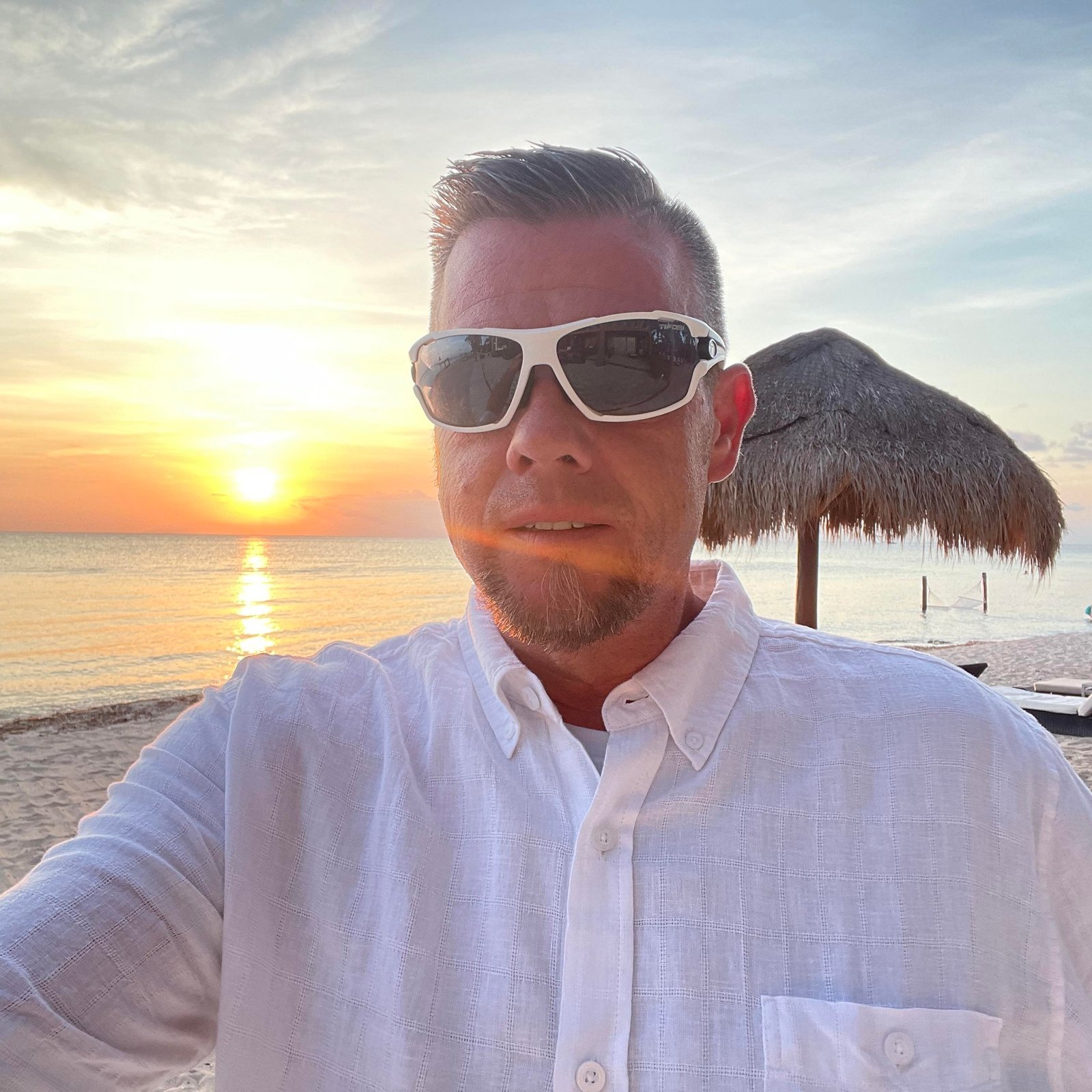
Scott Devore’s Framework for Building Trust and Closing Deals Through Mountain Biking Discipline
Why Mountain Biking Principles Matter in Sales Leadership
As a sales leader based in Chandler, AZ, I’ve found that the discipline and mindset required for mountain biking off-road trails translate directly into effective sales leadership. Whether you’re navigating rocky terrain or complex client conversations, the fundamentals remain consistent: trust, preparation, and persistence.
This framework isn’t about gimmicks or shortcuts. It’s about applying real-world lessons from my passion for mountain biking to build genuine relationships and close deals that last.
The Three Pillars of My Sales Framework Inspired by Mountain Biking
- Trust: The Foundation of Every Relationship
On the trail, trust is non-negotiable-you rely on your equipment, your skills, and your instincts. In sales, this translates into being authentic, reliable, and transparent with clients. Showing up prepared every time builds credibility that leads to lasting partnerships. - Consistency: Showing Up Ready
Mountain biking demands consistent effort-regular training, maintenance of gear, and mental focus. Similarly, successful sales require consistent follow-up, timely communication, and steady engagement without overpromising or underdelivering. - Closing the Next Line: Always Moving Forward
Just as each segment of a trail requires attention to detail before moving forward safely, every sales interaction is an opportunity to advance the relationship toward closure. This means listening carefully to client needs and adapting your approach rather than forcing a sale.
Applying This Framework with LiveGood’s Membership Savings Club
The connection between mountain biking discipline and sales isn’t just theoretical-it’s practical when leveraging programs like LiveGood’s Membership Savings Club. This platform offers an opportunity to save money smartly without complicated selling or get access to processes.
This aligns perfectly with my philosophy of sales done the right way: provide value first through trust and simplicity. Sharing how LiveGood helps people save up to $2047.50 monthly creates honest conversations without pressure tactics.
How to Integrate LiveGood into Your Sales Approach
- Understand the product thoroughly as you would your bike’s mechanics-knowing details builds confidence.
- Share personal experiences or straightforward benefits rather than pushing enrollments aggressively.
- Use LiveGood as an example of consistency paying dividends over time-like steady training on the trail.
Practical Tips for Sales Leaders Inspired by Off-Road Riding
- Prepare Like You Would for a Ride: Research clients’ needs beforehand; anticipate challenges so you’re equipped with solutions.
- Build Relationships Like Trail Networks: Cultivate multiple connections within organizations rather than relying on a single contact point.
- Maintain Your Gear and Skills: Keep sharpening your sales techniques regularly; don’t let complacency set in.
Final Takeaways from Scott Devore’s Sales & Mountain Biking Mindset
The intersection of mountain biking passion and sales leadership offers a unique perspective focused on authenticity and preparedness. By embracing trust, showing up consistently, and always aiming to close the next logical step-not just the deal-you create sustainable success.
If you’re interested in exploring how this mindset can enhance your own sales approach while discovering smart savings through LiveGood’s Membership Savings Club, consider these principles as your foundation.
Take 60 seconds and scan this post again for one thing: what they clearly prioritize, and what they ignore.
- Headline test: what promise do they lead with?
- Mechanism test: what do they say “works” (without hype)?
- Proof of focus: do they repeat one message everywhere?
Then come back and compare what you noticed to the framework in the post.