Mastering Personal Brand Growth in Wahama Football and E-sports with LiveGood Membership
Learn how to build and grow your personal brand within Wahama Football and E-sports by leveraging LiveGood membership benefits, community engagement, and tailored branding strategies that resonate with your audience.
Quick Navigation
- The Importance of Personal Brand Growth in Wahama Football and E-sports
- How LiveGood Membership Supports and Enhances Personal Brand Growth
- Actionable Strategies for Building a Strong Personal Brand in Sports and Gaming
- Comparing Personal Branding Approaches: Wahama Football vs E-sports
- Maximizing Community Engagement and Influencer Opportunities with LiveGood
- Sustaining Long-Term Personal Brand Growth in Wahama Football and E-sports
- Frequently Asked Questions
Learn how to build and grow your personal brand within Wahama Football and E-sports by leveraging LiveGood membership benefits, community engagement, and tailored branding strategies that resonate with your audience.
The Importance of Personal Brand Growth in Wahama Football and E-sports
Personal brand growth is the process of developing a unique and recognizable identity that reflects your values, skills, and personality. For athletes and gamers in the Wahama Football and E-sports communities, building a strong personal brand can open doors to new opportunities, partnerships, and fan engagement. It helps individuals stand out in competitive environments where talent alone may not be enough to gain lasting recognition.
In Wahama Football and E-sports, personal branding goes beyond performance on the field or screen. It involves creating a consistent image through social media, community involvement, and professional conduct. This visibility can attract sponsors, team offers, and collaborations that contribute to long-term career growth.
Understanding and managing your personal brand also allows you to control the narrative around your identity. This is especially important in digital spaces where reputations can be shaped quickly. Athletes and gamers who actively cultivate their brand tend to build trust and loyalty among fans and industry stakeholders.
- Establishes a unique identity within crowded sports and gaming communities
- Enhances opportunities for sponsorships and partnerships
- Builds a loyal fan base through consistent and authentic engagement
- Helps manage public perception and professional reputation
- Supports career development beyond active competition
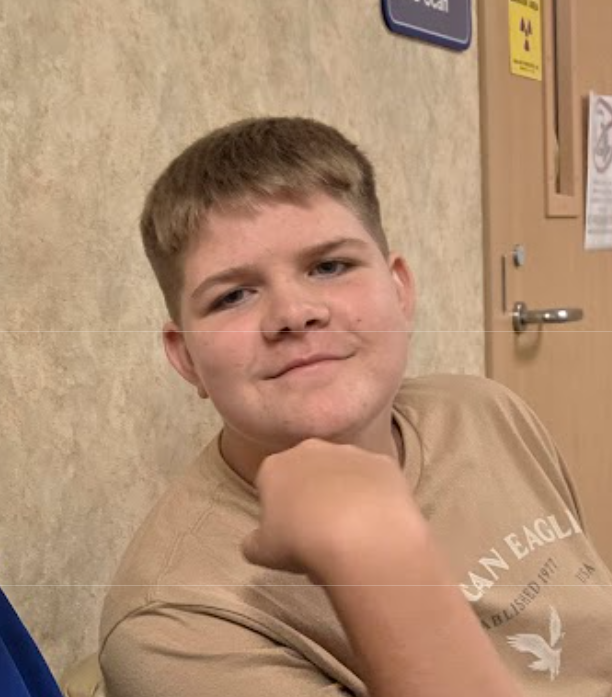
Imagine Levi Russell, a rising star in Wahama E-sports, who started by sharing behind-the-scenes clips of his practice sessions and game strategies on social media. Over time, his authentic content attracted a dedicated following, leading to invitations to collaborate with well-known gaming brands. By consistently engaging with his audience and showcasing his personality beyond gameplay, Levi transformed his online presence into a powerful personal brand that opened doors to sponsorships and team leadership roles. This example highlights how intentional personal brand growth can turn passion into professional opportunities.
Levi joined community events and charity streams related to Wahama Football, which not only expanded his network but also showcased his commitment to the community. This involvement enhanced his personal brand by aligning it with positive values and increasing his visibility beyond competitive play.
Pro Tip: Consistency is key—regularly share content that reflects your true self to build trust and recognition among fans and industry professionals.
Common Mistake: Many athletes and gamers focus solely on performance and neglect their online presence, missing out on valuable opportunities to connect with audiences and sponsors.
With a clear understanding of why personal brand growth matters, let's explore how leveraging a LiveGood Membership can amplify these efforts.
How LiveGood Membership Supports and Enhances Personal Brand Growth
LiveGood membership offers a range of benefits that can directly support individuals looking to grow their personal brand in the competitive fields of Wahama football and esports. By providing access to exclusive discounts and savings on health and wellness products, LiveGood helps members maintain peak physical and mental condition, which is essential for consistent performance and credibility in these demanding arenas.
Beyond physical wellness, LiveGood membership includes opportunities to connect with a community of like-minded individuals who prioritize personal development and entrepreneurial growth. This network can serve as a valuable resource for collaboration, mentorship, and sharing strategies to increase visibility and engagement within sports and esports circles.
Additionally, LiveGood’s platform supports members in monetizing their personal brand through various affiliate and partnership programs. These programs offer a straightforward way to generate income by promoting products and services that align with the member’s values and audience interests, thereby enhancing both brand authenticity and financial sustainability.
- Access to health and wellness products that support physical and mental performance
- Networking opportunities with a community focused on growth and entrepreneurship
- Affiliate programs to monetize personal brand efforts effectively
- Tools and resources designed to increase brand visibility and audience engagement
- Support for building a sustainable and authentic personal brand in sports and esports
Actionable Strategies for Building a Strong Personal Brand in Sports and Gaming
Building a personal brand in Wahama Football and E-sports starts with authenticity. Levi Russell emphasizes the importance of staying true to your values and interests. Begin by identifying what makes you unique as a player or gamer. This could be your playing style, your approach to teamwork, or your personality off the field or screen. Authenticity helps create a genuine connection with your audience and sets a solid foundation for long-term brand growth.
Next, consistency is key. Whether you’re posting on social media, streaming gameplay, or engaging in community forums, maintaining a consistent voice and style helps your audience recognize and remember you. Use platforms that best suit your strengths—Instagram or TikTok for highlights and personality, Twitch or YouTube for live streams and tutorials. Regular updates keep your followers engaged and attract new fans.
Levi also recommends leveraging the LiveGood Membership Savings Club to support your brand growth. Access to exclusive resources and networking opportunities can help you stay informed about industry trends and connect with like-minded individuals. This support system can be invaluable as you develop your personal brand.
- Define your unique qualities and what you want to be known for.
- Create a content schedule to post regularly on chosen platforms.
- Engage with your audience by responding to comments and messages.
- Collaborate with other players or gamers to expand your reach.
- Use LiveGood resources to stay updated and connected.
Imagine Levi Russell, a Wahama Football player, who noticed his unique strength was his strategic thinking during matches. Instead of just showcasing goals, he started sharing short clips explaining his decision-making process on Instagram and TikTok. Over time, fans began appreciating not only his skills but also his insights, creating a deeper connection. Similarly, in E-sports, a gamer might share behind-the-scenes moments of practice routines or teamwork challenges, making their brand relatable and authentic. These storytelling moments help humanize the athlete or gamer, turning followers into loyal supporters who feel part of the journey.
Levi could schedule weekly Twitch streams where he not only plays but also interacts with viewers, answering questions about his strategies and experiences in Wahama Football. This regular engagement builds a community that feels personally connected to him, boosting his personal brand organically.
Pro Tip: Focus on storytelling that highlights your unique journey and challenges; it makes your brand relatable and memorable. Use a content calendar to maintain consistency without feeling overwhelmed.
Common Mistake: Many players and gamers try to imitate popular personalities rather than embracing their own style, which can dilute their authenticity and hinder genuine personal brand growth.
With these foundational strategies in place, it’s equally important to understand how to avoid pitfalls that can stall your personal brand growth.
Comparing Personal Branding Approaches: Wahama Football vs E-sports
Personal brand growth in Wahama Football and E-sports shares some common ground but also requires distinct strategies due to the nature of each field. Both areas emphasize building a strong online presence, engaging with fans, and showcasing unique skills. However, the audience and platforms differ, influencing how athletes and gamers approach their branding efforts.
In Wahama Football, personal branding often revolves around physical performance, community involvement, and local recognition. Players tend to focus on in-person events, local media, and team affiliations to build credibility. Their branding highlights teamwork, athleticism, and sportsmanship, which resonate well with traditional sports fans.
Conversely, E-sports branding leans heavily on digital platforms such as Twitch, YouTube, and social media to create a global following. Gamers focus on streaming gameplay, interacting live with viewers, and producing content that showcases their personality and gaming skills. The digital-first approach allows for rapid growth but demands consistent content creation and online engagement.
- Wahama Football branding emphasizes local community and physical presence.
- E-sports branding relies on digital content and global online engagement.
- Both require authentic interaction with fans to build trust and loyalty.
- Football players benefit from partnerships with local organizations and sponsors.
- E-sports athletes leverage streaming platforms and social media collaborations.
Maximizing Community Engagement and Influencer Opportunities with LiveGood
Engaging with the community within the LiveGood membership network is a powerful way to grow your personal brand, especially in niches like Wahama Football and E-sports. Start by actively participating in discussions, sharing valuable insights, and supporting fellow members’ content. Consistent interaction helps build trust and visibility, making your brand more recognizable and approachable.
Influencer marketing within LiveGood offers another avenue to expand your reach. Identify influencers who align with your brand values and audience interests. Collaborating with these individuals can introduce your personal brand to a wider, yet targeted, audience. Approach these partnerships with authenticity and mutual benefit in mind to foster long-term relationships.
To effectively leverage community engagement and influencer opportunities, consider these strategies:
- Join LiveGood forums and social media groups focused on Wahama Football and E-sports to stay connected with your niche.
- Share original content such as tips, tutorials, or personal experiences that add value to the community.
- Reach out to influencers with personalized messages explaining how a collaboration could benefit both parties.
- Participate in LiveGood events or webinars to increase your visibility and network with key members.
- Track engagement metrics to understand what content resonates most and adjust your approach accordingly.
Imagine Levi Russell joining a LiveGood webinar focused on Wahama Football strategies. During the session, he actively contributes by sharing a unique training drill that helped improve his gameplay. This sparks a conversation with other members who then invite him to co-host a follow-up live stream. Such authentic interactions not only boost Levi’s visibility but also build genuine relationships within the community, illustrating how consistent engagement can organically elevate a personal brand in niche areas like Wahama Football and E-sports.
Levi could join a LiveGood social media group dedicated to E-sports and post a short tutorial video explaining effective team communication techniques. By providing actionable advice, he positions himself as a valuable resource, encouraging others to engage with his content and follow his journey.
Pro Tip: When reaching out to influencers, personalize your message by referencing their recent content or achievements to show genuine interest and increase the chances of collaboration.
Common Mistake: Avoid broadcasting generic messages to multiple influencers at once; this can come across as insincere and reduce the likelihood of meaningful partnerships.
Building on these engagement tactics, it’s essential to monitor your interactions and refine your approach based on what resonates most with your audience.
Sustaining Long-Term Personal Brand Growth in Wahama Football and E-sports
Maintaining consistent personal brand growth in Wahama Football and E-sports requires ongoing effort and strategic planning. Start by regularly reviewing your branding elements such as your logo, messaging, and content style to ensure they remain relevant and aligned with your evolving goals and audience preferences. Consistency helps build trust and recognition over time.
Monitoring key growth metrics is essential to understand how your personal brand is performing. Track engagement rates on social media, follower growth, website traffic, and feedback from your community. These insights will help you identify what resonates with your audience and where adjustments might be needed.
Adapting to trends is another critical factor. Both Wahama Football and E-sports are dynamic fields with rapidly changing technologies and fan interests. Stay informed about industry developments and be willing to experiment with new platforms, content formats, or collaboration opportunities to keep your brand fresh and relevant.
- Schedule regular brand audits to assess consistency and relevance.
- Use analytics tools to monitor social media and website performance.
- Engage with your audience to gather feedback and build community.
- Stay updated on industry trends and emerging platforms.
- Be flexible and ready to pivot your strategy when necessary.
Frequently Asked Questions
How can I grow my personal brand in esports?
Explain key steps such as defining a unique identity, consistent content creation, community engagement, and leveraging platforms like LiveGood for added support.
What are the best strategies for athletes to build a personal brand?
Discuss authenticity, social media presence, collaboration with peers, and using membership benefits to create exclusive offers or content.
How does a membership savings club like LiveGood support personal brand growth?
Describe how LiveGood provides rewards, networking opportunities, and resources that help members monetize and expand their personal brands.
What role does social media play in personal branding for football players?
Highlight social media as a platform for storytelling, fan engagement, showcasing skills, and building a recognizable digital presence.
Can gaming and esports help improve personal brand visibility?
Affirm that gaming and esports offer dynamic avenues for exposure through streaming, influencer collaborations, and community interaction.
Featured Resource
LiveGood - Membership Savings Club
A membership that pays me back as we help people discover the membership
Next Step
Want help turning this into action? Save this page, compare it to your current brand, and decide what needs to become clearer next.
Follow along with Levi Russell for more practical guidance.
Related Resources
Take 60 seconds and scan the focus link for one thing: what they clearly prioritize, and what they ignore.
- Headline test: what promise do they lead with?
- Mechanism test: what do they say “works” (without hype)?
- Proof of focus: do they repeat one message everywhere?
Then come back and compare what you noticed to the framework in the post.