
Vernon BC LiveGood Fundraising with PEMF: Practical Wellness Themes for Local Organizers
Vernon nonprofits can pair LiveGood-style community fundraising with high-level PEMF recovery themes by choosing one resident concern (pain, sleep, burnout, or recovery), using non-medical language, and running a simple education-plus-participation event flow that invites volunteers and donors without health claims.
Quick Navigation
- Why Vernon organizers need fundraising ideas that speak to pain, sleep, and recovery stress
- Lived-experience context: Adrian Armstrong and people-first wellness themes
- What LiveGood Fundraising and ApexBrandU with PEMF Solution mean for community events
- Reusable Vernon event modules: themes, flows, and partner maps
- Community-safe messaging checklist for nonprofits and wellness-minded residents
- Next steps for Vernon teams: launch a credible wellness-themed LiveGood drive
- Frequently Asked Questions
Vernon nonprofits can pair LiveGood-style community fundraising with high-level PEMF recovery themes by choosing one resident concern (pain, sleep, burnout, or recovery), using non-medical language, and running a simple education-plus-participation event flow that invites volunteers and donors without health claims.
Why Vernon organizers need fundraising ideas that speak to pain, sleep, and recovery stress
Community boards and volunteer organizers in Vernon and the wider Okanagan often face the same gap: residents show up for events that feel relevant to daily life, while fundraising plans still lean on generic raffles, silent auctions, or one-off socials that do not connect to how people actually feel. Pain, poor sleep, and recovery stress after work, sport, caregiving, or long winters are ordinary local concerns. When an event theme ignores that, turnout and donor interest stay thin even when the cause is strong.
Wellness-minded fundraising does not require medical claims or hype. It means framing the night around practical recovery topics people already discuss—stiffness after desk or trade work, restless sleep, post-activity soreness, and the simple desire to feel more restored. Organizers can pair a clear community goal (equipment, programs, scholarships, facility needs) with education-style stations, short talks, or demo-style experiences that stay honest about limits and focus on comfort, relaxation, and self-care habits rather than cures.
LiveGood-style membership or product conversations, and PEMF as a general wellness modality people may already have heard about, can sit inside that frame only as optional themes—not guarantees. Boards need concepts that are easy to staff, easy to explain in plain English, and easy to defend to skeptical donors: transparent purpose of funds, no invented results, and activities that respect local culture of outdoor living, family schedules, and cautious spending. The aim is relevance and trust, so residents see the fundraiser as useful community time, not a sales pitch dressed as charity.
For Vernon organizers, the practical test is simple. Can a volunteer describe the evening in one sentence tied to pain, sleep, or recovery stress? Can guests leave with a clearer sense of the nonprofit’s need and one grounded wellness idea—without pressure? Ideas that pass that test tend to travel farther by word of mouth across neighbourhoods, workplaces, and sports groups than themes that sound abstract or overpromised.
- Match the cause to everyday Okanagan recovery concerns: sleep quality, muscle tension, post-work or post-sport fatigue.
- Keep messaging educational and non-clinical; avoid cure language, fake testimonials, and unsupported authority.
- Design low-friction formats boards can run with volunteers: short info tables, Q&A, gentle demo zones, donation clarity.
- Treat LiveGood and PEMF only as optional wellness themes inside a transparent fundraiser—not as the promise of results.
- Measure success by relevance, trust, and clear fund use—not by hype or invented outcomes.
Imagine a school or sport-club board in the Okanagan runs a short evening: a 10-minute talk on sleep basics after winter activity, a stretch/mobility corner for desk and trade workers, and an optional demo-style PEMF info table with clear “not a medical claim” wording. The ask stays simple—fund facility needs—while the theme matches what people already complain about at the rink and the coffee shop.
Pro Tip: Name the night around a feeling locals already use in plain talk—stiff mornings, short sleep, post-shift drain—then tie every station to one clear community goal (equipment, programs, scholarships). Keep PEMF and any LiveGood-style membership chat optional and labeled as general wellness interest, not treatment.
Common Mistake: Leading with product jargon or cure-sounding promises. Skeptical donors in Vernon tune out fast when a fundraiser sounds like a sales pitch instead of a transparent ask plus honest recovery-themed education.
Once the theme matches real local stress around pain, sleep, and recovery, the next step is structuring stations and messaging boards can staff and explain without hype.
Lived-experience context: Adrian Armstrong and people-first wellness themes
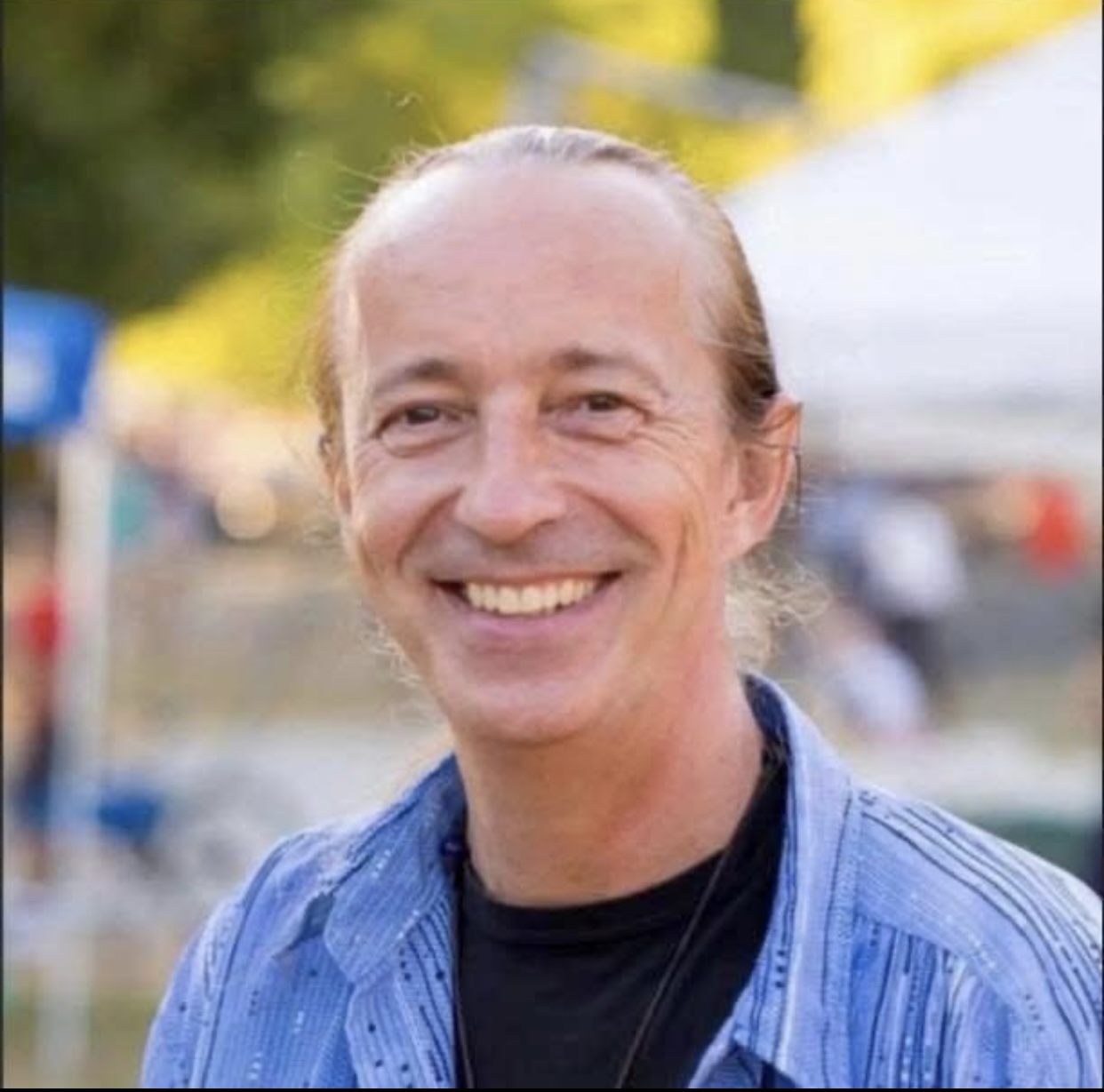
Adrian Armstrong approaches community wellness conversations from a long-standing interest in how everyday people cope when pain, poor sleep, burnout, anxiety, immunity challenges, or illness-related disruption start to crowd out normal life. That focus is practical rather than clinical: noticing what drains energy, what restores a sense of steadiness, and how neighbors talk about those issues without jargon or pressure.
In Vernon BC LiveGood fundraising with PEMF settings, that lived curiosity supports messaging that stays people-first. Organizers can frame PEMF-related wellness themes as conversation starters about comfort, rest, and resilience—not as medical advice or guaranteed outcomes. Adrian’s service-oriented path lends credibility to tone and empathy: show up, listen, keep claims modest, and help local hosts keep the emphasis on shared human experience.
This context helps fundraising materials and event talk tracks stay clear. Participants hear themes they already recognize—fatigue after stress, nights that do not restore, tension that lingers—while organizers avoid overstating authority. The result is messaging grounded in care and curiosity, suitable for community rooms rather than treatment settings.
- Center real-life themes: pain, sleep, burnout, anxiety, immunity, and illness-related disruption
- Use lived curiosity and service focus as trust signals for local messaging, not clinical credentials
- Keep PEMF and LiveGood talk educational and optional; no invented results or guarantees
- Support Vernon organizers with plain language that respects neighbors’ own health decisions
What LiveGood Fundraising and ApexBrandU with PEMF Solution mean for community events
For organizers in Vernon BC, LiveGood fundraising is best treated as a participation and messaging framework rather than a product pitch. It gives local groups a simple way to invite supporters, share a shared cause, and keep the focus on community goals such as event costs, youth programs, or neighborhood projects. ApexBrandU with PEMF Solution can sit beside that framework as a wellness-themed conversation starter: a high-level recovery-support idea people may already hear about in fitness, rest, and general self-care talk—not as a medical service or a promised health outcome.
In practice, that means your event materials should separate two lanes clearly. Lane one is the fundraiser: who benefits, how donations or sign-ups help, and what the community is building together. Lane two is optional wellness theme language: calm recovery-support framing around rest, routine, and feeling ready for daily life, without diagnosing, treating, or guaranteeing results. PEMF stays at that theme level so attendees understand the event is about local support and shared values, not clinical care.
Organizers can use both ideas to structure messaging that feels useful and honest. Lead with the local need and the LiveGood participation path. If you mention ApexBrandU with PEMF Solution, describe it only as a branding and education-style wellness theme that can appear in booths, short talks, or handouts—always with plain wording that fundraiser goals are financial and community-based, while any recovery-support theme is general information, not treatment advice.
This approach helps volunteers stay consistent, reduces confusion at the door, and keeps Vernon BC events aligned with what people actually came for: supporting neighbors through a clear fundraising path, with optional wellness themes that stay high-level and non-medical.
- LiveGood fundraising = community participation path (cause, invite, support local goals).
- ApexBrandU with PEMF Solution = optional messaging/wellness theme layer, not a clinic or cure claim.
- Keep PEMF language at recovery-support and general wellness talk; no treatment or outcome promises.
- Separate fundraiser asks from any product or theme education so guests always know the real goal.
- Use plain scripts for volunteers: community impact first, high-level wellness theme second, medical claims never.
Reusable Vernon event modules: themes, flows, and partner maps
Local organizers in Vernon can treat LiveGood fundraising with PEMF as a set of reusable modules instead of a one-off booth. Each module pairs a practical wellness theme—pain comfort, sleep routines, burnout reset, or recovery after work or sport—with a simple flow: a short education moment, optional community stories from people who already care about the cause, a clear participation ask, and a short list of partner types who already serve the same audience. The goal is not medical advice or product promises; it is a calm, local conversation that feels more useful than a generic health sponsorship and more purposeful than a bake sale alone.
A pain-comfort module works well near seniors’ groups, trades crews, or recreation clubs: open with plain-language talk about daily stiffness and recovery habits, invite one or two brief lived experiences if volunteers offer them, then ask guests to support the fundraiser through a LiveGood enrollment path or a PEMF demo slot if you have trained hosts. A sleep module fits evening community nights or parent groups: focus on wind-down routines and environment, keep claims modest, and pair the ask with quiet seating and clear signage. Burnout and recovery modules suit workplace wellness corners, coaches, and seasonal outdoor groups—short education, optional story, then a participation choice that matches energy levels (quick signup table versus longer demo rotation).
Map partners by role, not by hype. Useful Vernon-area partner types include community centres and halls for space, physiotherapy or massage clinics for referral traffic (not clinical endorsement), gyms and rec leagues for recovery themes, churches and service clubs for volunteer depth, and local cafés or markets for foot traffic. Choose effort level deliberately: low effort looks like a shared table, printed theme cards, and a single host; medium effort adds a short talk and a signup queue; higher effort layers scheduled PEMF education moments, story circles, and multi-partner check-in. Compared with bake sales, these modules trade sugar inventory for conversation structure; compared with generic sponsorship banners, they give guests a reason to stop, learn one practical idea, and decide how to support the cause.
Keep every module portable: same theme card, same three-step flow (educate → optional story → ask), same partner checklist, and the same rule set—no invented results, no pressure, no medical claims. Organizers can swap themes by season or audience while reusing the skeleton, so Vernon teams spend less time reinventing logistics and more time matching the room to pain, sleep, burnout, or recovery in plain English.
- Theme kit: one-page cards for pain comfort, sleep routines, burnout reset, and post-activity recovery with a single education talking point each.
- Flow template: 5–10 minute educate → optional community story → clear participation ask (fundraiser support and/or demo signup) → thank-you and next step.
- Partner map: venues (halls, centres), movement/recovery businesses, service clubs, coaches/leagues, and foot-traffic hosts—roles defined without fake endorsements.
- Effort dial: bake-sale-simple table; mid-level talk + signup; fuller module with scheduled education moments—pick based on volunteers, not ambition alone.
- Versus traditional options: more structured learning than a pure bake sale; more local relevance than a logo-only health sponsorship.
Imagine a Saturday recreation-club corner in Vernon: a pain-comfort module opens with five minutes on daily stiffness and recovery habits, one volunteer shares a brief lived note if they want to, then guests choose a LiveGood enrollment path or a short PEMF demo slot only if a trained host is present—while a simple partner map lists physio clinics, trades crews, and rec clubs as natural next rooms, not as proof of results.
Pro Tip: Build each Vernon module as a one-page run sheet: theme in plain language, 3–5 talking points (no medical claims), optional story slot only if a volunteer offers it, one clear participation ask, and 2–3 partner types already serving that crowd—so a new host can run pain, sleep, or burnout without reinventing the booth.
Common Mistake: Treating every stop like a full product pitch. Overlong demos, hard enrollment pressure, or mixing pain/sleep/burnout into one cluttered table makes the ask feel salesy instead of a calm local conversation next to seniors’ groups, parent nights, or workplace corners.
Once themes, flows, and partner maps are modular, organizers can rotate the same pieces across venues without turning fundraising into a one-off scramble.
Community-safe messaging checklist for nonprofits and wellness-minded residents
Organizers in Vernon BC who pair LiveGood fundraising with PEMF themes do best when messaging stays clear, local, and careful. The goal is not to sell a miracle—it is to invite neighbours into a practical wellness conversation while protecting trust. Use this checklist before flyers, social posts, volunteer scripts, or donor emails go out.
Start by naming who you are speaking to (seniors groups, sports parents, workplace wellness leads, faith or service clubs) and pick one primary theme only—for example recovery routines, rest quality, or accessible self-care education. Keep claim boundaries tight: describe PEMF as a wellness modality people may explore, not as a cure, diagnosis tool, or guaranteed outcome. Separate LiveGood fundraising mechanics (how people join or donate) from any health language so supporters never confuse a fundraiser with medical advice.
Prep volunteers and donors with short, repeatable steps: what to say, what not to promise, where questions go, and how follow-up works (thank-you note, event recap, optional info session—no pressure). Build a small FAQ covering “What is this fundraiser for?”, “What is PEMF in plain terms?”, “Who is this for locally?”, and “How do I opt out of further contact?” Prefer practical local language over buzzwords: “evening stretch and recovery habits for Vernon residents” beats vague phrases like “quantum healing frequencies” or “toxin detox miracles.”
Before publish, have one organizer read the copy aloud and ask: Would a cautious neighbour feel informed or sold to? If it sounds like hype, rewrite until it sounds like a community invitation.
- Audience segment: one primary group in Vernon BC; avoid “everyone” messaging.
- One primary theme: rest, mobility habits, stress routines, or fundraising purpose—not a stack of claims.
- Claim boundaries: no cure language, no disease treatment promises, no invented results or credentials.
- Volunteer/donor steps: script, referral path for hard questions, thank-you and optional follow-up only.
- FAQ prep + language check: plain local wording versus buzzword wellness copy; keep LiveGood fundraising and PEMF education clearly separated.
Next steps for Vernon teams: launch a credible wellness-themed LiveGood drive
Vernon organizers can keep a LiveGood fundraising effort grounded by treating PEMF as a conversation theme—not a medical promise. Start with a clear purpose: support a local need, invite residents to learn about general wellness habits, and keep every message free of personalized health advice, diagnoses, or outcome guarantees. Align the theme with what your group already does well—community nights, outdoor meetups, or partner tables—so the drive feels familiar rather than sales-driven.
Draft safe copy before you promote anything. Describe fundraising goals, event logistics, and optional educational resources in plain language. Avoid implying that PEMF devices, sessions, or memberships treat conditions. If you mention PEMF at all, frame it as one wellness topic people may research on their own, and point curious residents to qualified local professionals for individual questions. Have a second person review flyers, posts, and scripts for overclaims.
Line up partners who strengthen credibility: a community venue, a local wellness educator who stays in general education mode, or a charity contact who can speak to the cause. Agree in writing on roles, what will and will not be said, and how donations or sign-ups are handled. Keep product talk secondary to the fundraiser’s purpose so guests never feel pressured.
Run a simple event flow this month: welcome and purpose, short non-clinical wellness theme overview, optional Q&A with clear boundaries, fundraising call-to-action, and a calm close with ways to follow up. Invite residents to learn more through public materials and organizer contacts—not through tailored health recommendations. Document what worked, what felt unclear, and what to tighten next time so Vernon teams build trust instead of hype.
- Define one local cause, one wellness theme angle, and hard rules: no personalized advice, no cure language, no guaranteed results.
- Write and dual-review short copy for posts, handouts, and talking points; stick to event facts and general education only.
- Confirm venue, helpers, and any guest speaker roles in advance; share the same boundary list with everyone on site.
- Use a light agenda: welcome → purpose → brief theme overview → optional open Q&A → donate/learn-more paths → thank-you.
- Offer follow-up as public info and organizer contact details; encourage people to consult their own qualified providers for personal health decisions.
Frequently Asked Questions
How can Vernon nonprofits use wellness themes in fundraising?
Choose one resident-relevant theme such as pain, sleep, burnout, or recovery support and build the event around education, community stories, and a clear participation ask. Keep language practical and local so Vernon volunteers and donors understand the cause without medical promises. Pair the theme with simple formats—talks, resource tables, or partner booths—so boards can run the drive with realistic effort.
What is a practical LiveGood fundraising angle for local communities?
A practical angle treats LiveGood-style fundraising as a structured way for neighbors to participate together while supporting a nonprofit or community goal. Organizers map volunteer and donor steps, explain how participation works in plain language, and connect the ask to a single wellness-minded theme residents already care about. The focus stays on community support and clear next actions, not product hype.
How does PEMF fit into a community recovery or sleep-support event?
At a community event, PEMF works best as a high-level recovery-support conversation topic inside ApexBrandU with PEMF Solution messaging, not as a treatment offer. Hosts can explain what the fundraiser is and is not, invite curiosity, and point interested residents to respectful follow-up information. This keeps the program suitable for nonprofits and wellness-minded audiences in Vernon.
What fundraising ideas appeal to residents dealing with pain or burnout?
Ideas that feel relevant include short education moments on everyday recovery stress, story-sharing from a people-first perspective, and partnership tables with community centers or wellness groups. Formats that combine learning with a simple donate-or-join path often feel more useful than generic raffles alone. Always avoid outcome guarantees and keep the tone supportive rather than clinical.
How can organizers keep wellness fundraising credible and non-medical?
Use community-safe copy that describes themes like pain, sleep, and recovery without diagnosing, prescribing, or promising results. State clearly that the event supports fundraising and awareness, not personalized health advice. Prepare FAQ answers in advance, train volunteers on claim boundaries, and offer an optional information follow-up for residents who want to learn more on their own timeline.
Next Step
Want help turning this into action? Save this page, compare it to your current brand, and decide what needs to become clearer next.
Follow along with Adrian Armstrong for more practical guidance.
Related Resources
Take 60 seconds and scan this post again for one thing: what they clearly prioritize, and what they ignore.
- Headline test: what promise do they lead with?
- Mechanism test: what do they say “works” (without hype)?
- Proof of focus: do they repeat one message everywhere?
Then come back and compare what you noticed to the framework in the post.