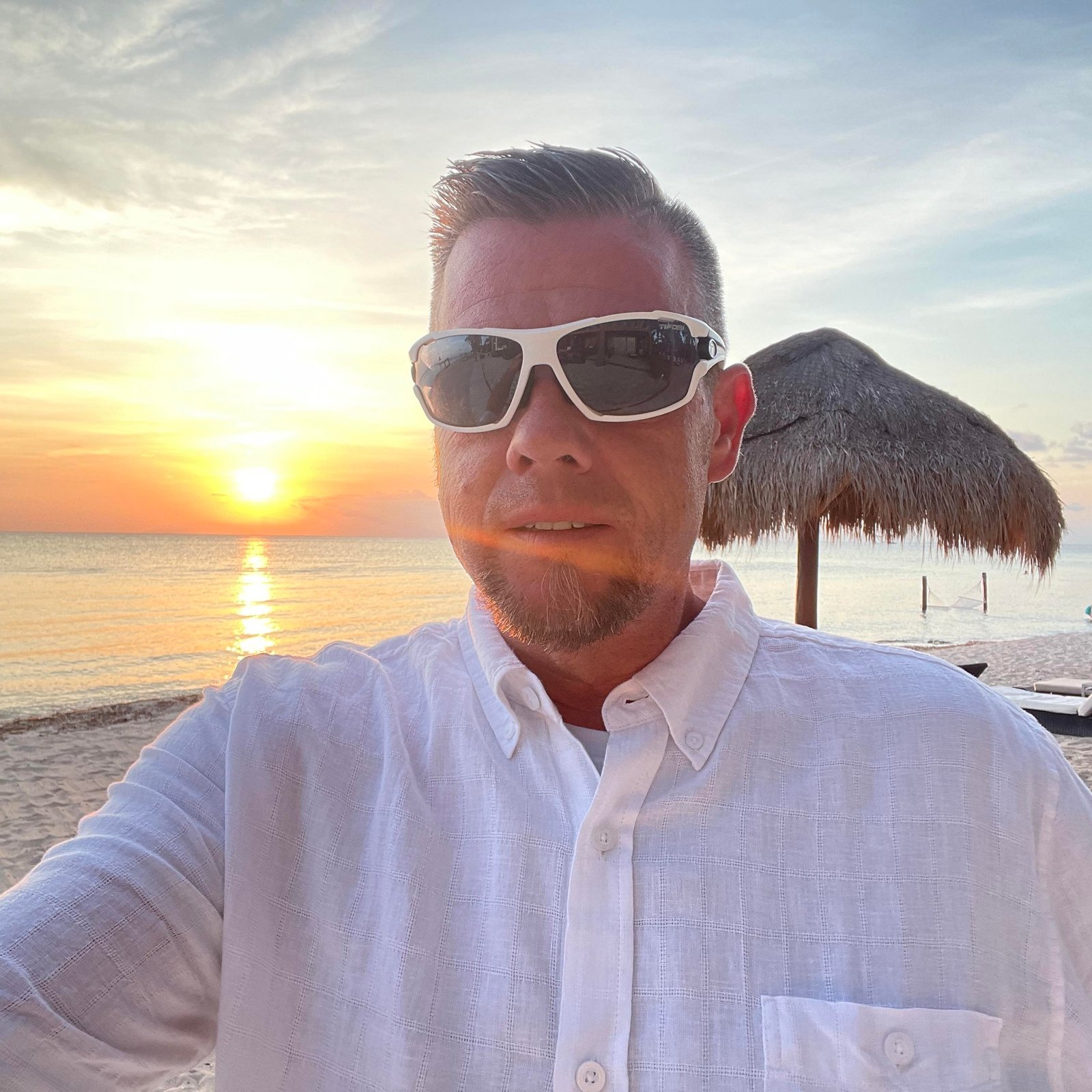
Scott Devore on How Off-Road Mountain Biking Sharpens Sales Leadership and Smart Savings
Why Mountain Biking and Sales Leadership Go Hand in Hand
Mountain biking off the beaten path is more than just a hobby for me-it’s a practical training ground for the mindset I bring to sales leadership. Whether navigating rocky trails near Chandler, AZ or closing the next deal, the core principles remain the same: trust, consistency, and showing up prepared.
In sales, building relationships that last requires more than a slick pitch. It demands authenticity and follow-through-the same qualities that keep you safe and successful on challenging off-road rides. When you’re out there on your mountain bike tackling unexpected obstacles, there’s no room for shortcuts or guesswork. You must trust your skills and your gear, be consistent in your approach, and prepare meticulously before every ride.
Trust: The Foundation of Relationships and Trail Success
Trust is the currency of both sales and mountain biking. In business, clients need to know they can rely on you-not just once but repeatedly over time. On the trail, trust in your equipment and yourself is essential to navigate difficult terrain without hesitation.
This principle extends beyond personal effort. For example, using a membership savings club like LiveGood helps me maintain financial confidence by cutting unnecessary expenses-allowing me to invest more in quality gear or business growth without worry.
Consistency: Building Momentum Both On and Off the Trail
Consistent effort leads to steady progress whether you're improving your sales numbers or your mountain biking skills. I’ve learned that showing up regularly with intention creates momentum that compounds over time.
This applies to how I approach every client interaction as well as my weekend rides. Consistency builds trust with customers who see I’m reliable-and it builds stamina on tough climbs where persistence pays off.
Preparation: The Key to Closing Deals and Tackling Trails
Preparation separates those who succeed from those who struggle. Before heading out on a ride or into a meeting, I make sure everything is ready: tires pumped, pitch rehearsed, questions anticipated.
You can’t improvise good sales or safe riding. Preparing means having backup plans-whether it’s an extra tube for a flat tire or solutions ready for client objections. This readiness breeds confidence that clients notice and appreciate.
Practical Tips for Sales Leaders Inspired by Mountain Biking
- Map Your Route: Just like planning a trail ride, outline your sales strategy clearly before engaging prospects.
- Equip Yourself: Use tools like LiveGood’s membership savings club to reduce overhead so you can invest in top-tier resources.
- Build Endurance: Develop routines that sustain long-term relationship building instead of chasing quick wins.
- Adapt Quickly: Stay alert to changes-on trails or market conditions-and pivot as needed without losing momentum.
A Few Essential Resources for Trail-Ready Sales Leaders
- Amazon:
- Trek Mountain Bike Repair Kit
- CamelBak Hydration Pack
- The Challenger Sale Book by Matthew Dixon & Brent Adamson
- Moleskine Classic Notebook for Meeting Notes
- Bose Noise Cancelling Headphones for Focused Calls
- eBay:
- Used Shimano MTB Pedals with Good Reviews
- Vintage Leather Journal for Personal Reflections
- Semi-Rigid Protective Hard Case for Electronics
- CamelBak Replacement Reservoirs
- Pre-Owned Outdoor GPS Devices with Trail Maps
The Takeaway from Scott Devore’s Dual Passion Approach
If you want to excel in sales leadership while enjoying life outside work, adopt the discipline of an off-road mountain biker:
- Build trust first.
- Create consistent habits that compound results.
- Show up prepared every single time.
- Leverage smart savings tools like LiveGood to support financial flexibility.
This mindset not only closes deals that stick but also keeps you balanced and energized away from the boardroom. Whether you’re sipping bourbon after a challenging ride or preparing your next client proposal in Chandler, AZ, these principles will serve you well.
Take 60 seconds and scan this post again for one thing: what they clearly prioritize, and what they ignore.
- Headline test: what promise do they lead with?
- Mechanism test: what do they say “works” (without hype)?
- Proof of focus: do they repeat one message everywhere?
Then come back and compare what you noticed to the framework in the post.